Home
Styracosaurus
- Details
- Category: Sculptures
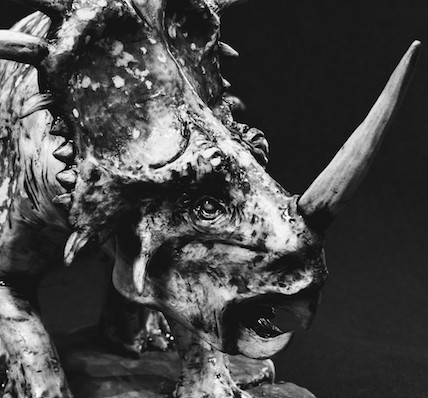
Styracosaurs were a species of ceratopsian dinosaurs that lived during the Cretaceous Period (about 75 million years ago). They were comparable in size to the white rhinoceros and weighed about 3 tons. Their distinctive and elaborate frill spikes and massive horn were clearly mostly for self defense, and for whatever other purposes remain largely speculated. Styracosaurs are one of my favorite dinosaurs for their improbable appearance and cranial variability among species, leaving some room for artistic interpretation. I based my sculpture on the skull of a specimen at the American Museum of Natural History which had an unusually long nasal horn and pronounced brow ridges. In hindsight I may have made the tail on my version a bit long compared to the average styracosaur, but I'm sure there was an outlier somewhere among these fantastic beasts. My thanks again to the Ceramic Art Studio and Shop.
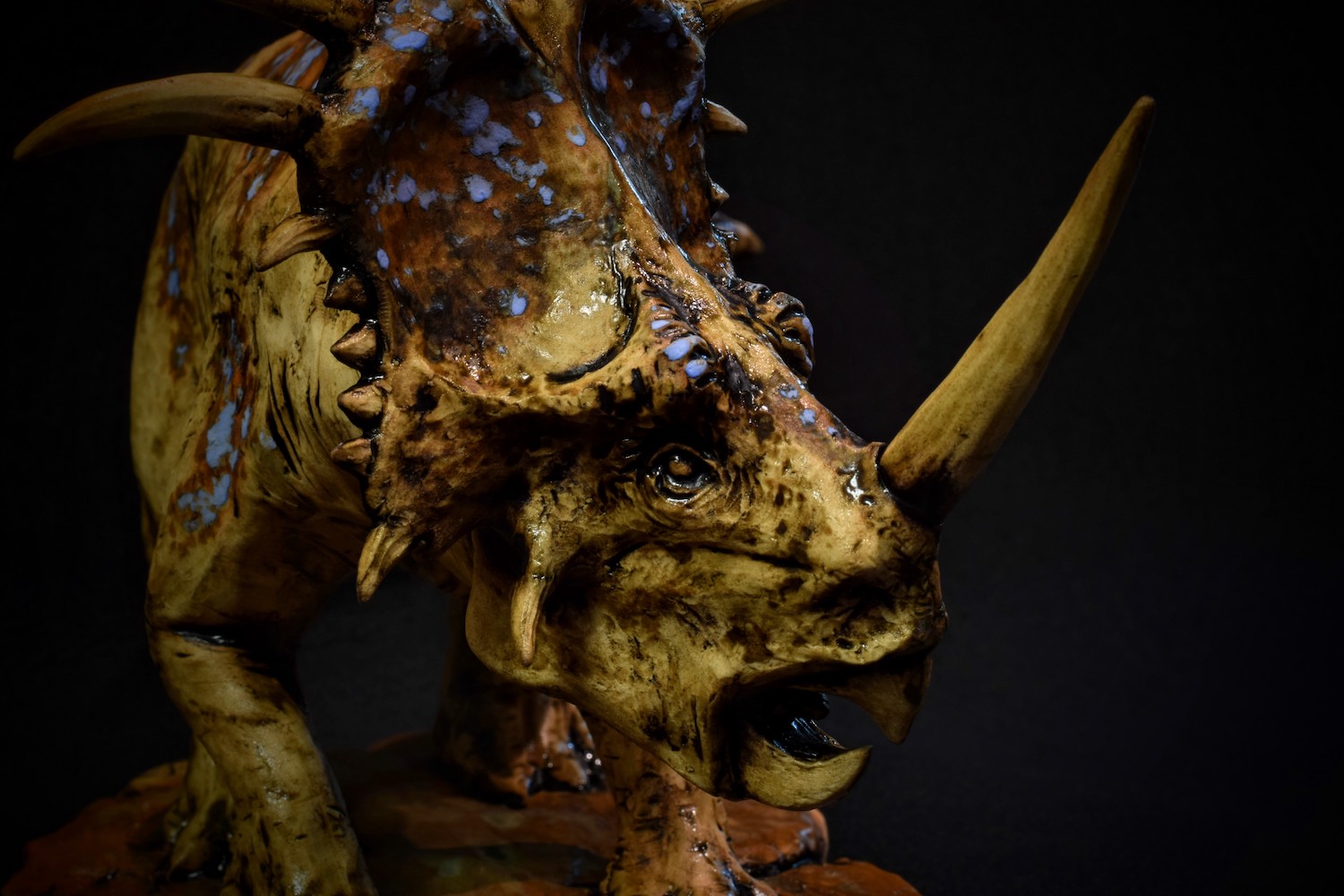


Wet clay model
Sun Wukong, The Monkey King
- Details
- Category: Sculptures

Sun Wukong, also known as the Monkey King, is a fictional figure who features in a body of legends, which can be traced back to the period of the Song dynasty (960 to 1279 AD). He is best known for his role in the classic 16th century Chinese novel "Journey to the West." Sun Wukong possesses supernatural strength and various magical abilities. In the novel, his metal crown (ringlet) is actually a restraining device which shrinks at the command of his master Tang Sanzang, producing an unbearable headache. While there are countless interpretations of Sun Wukong, I chose to depict him in his golden armor (Song dynasty style, which he took from the dragons of the four seas) riding atop a speeding cloud (thanks to his cloud walking boots), holding his magical staff (which incidentally weighs 8.1 tons and can shrink to a size of a sewing needle which he tucks behind his ear). My thanks again to the Ceramic Art Studio and Shop.


The bottom of the staff bent as it softened during glaze firing - good thing this is a magical staff and was in the process of changing its size!


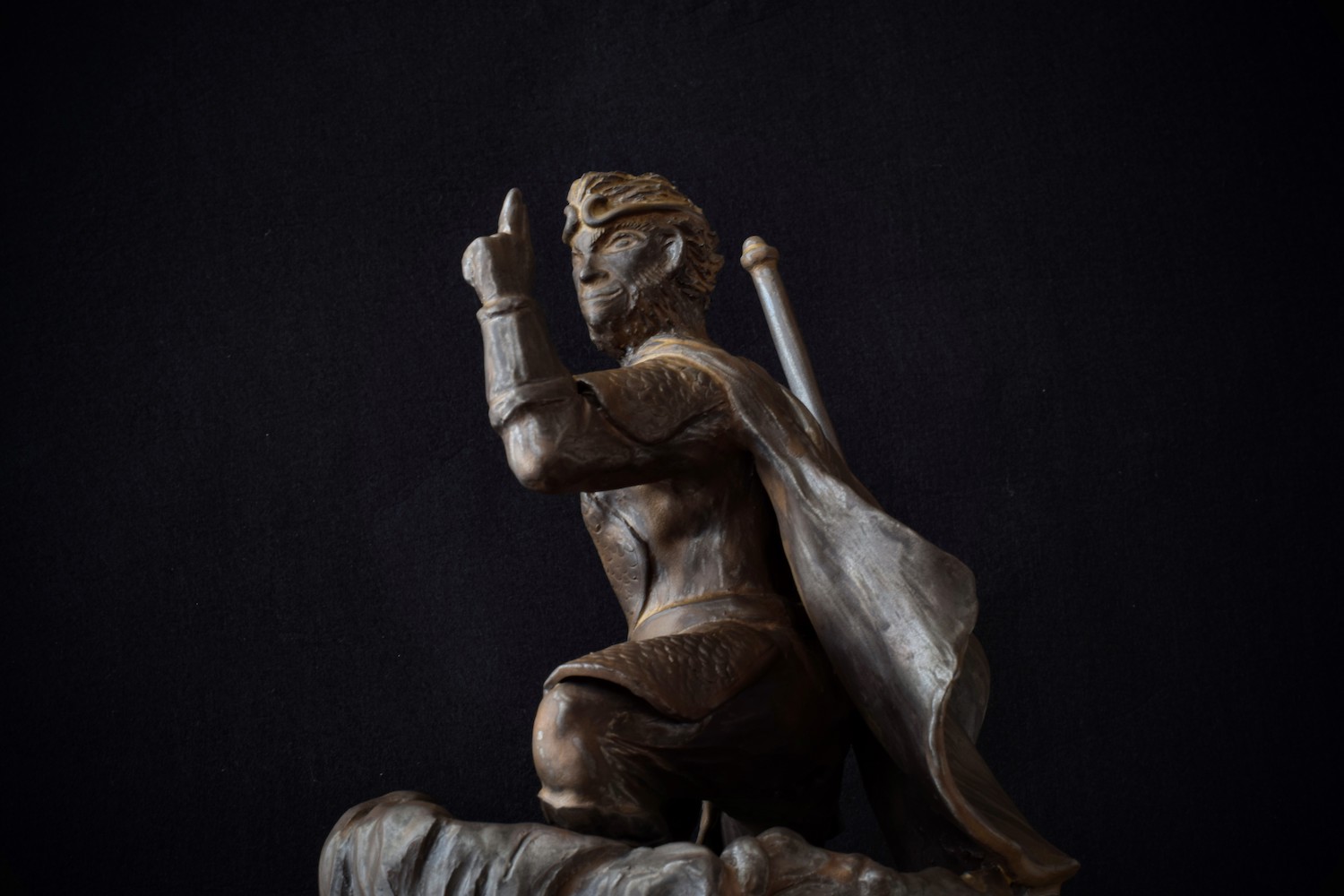
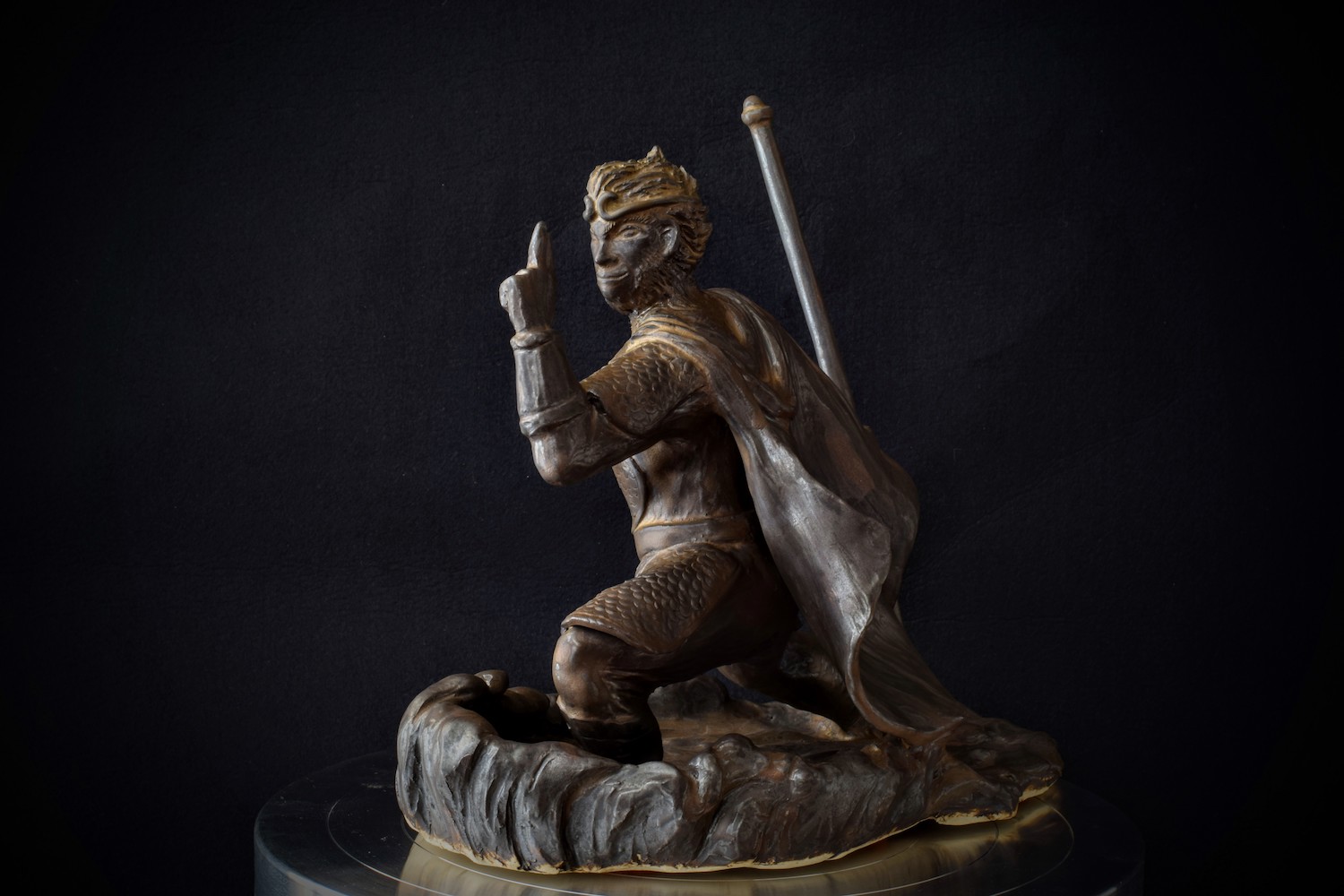


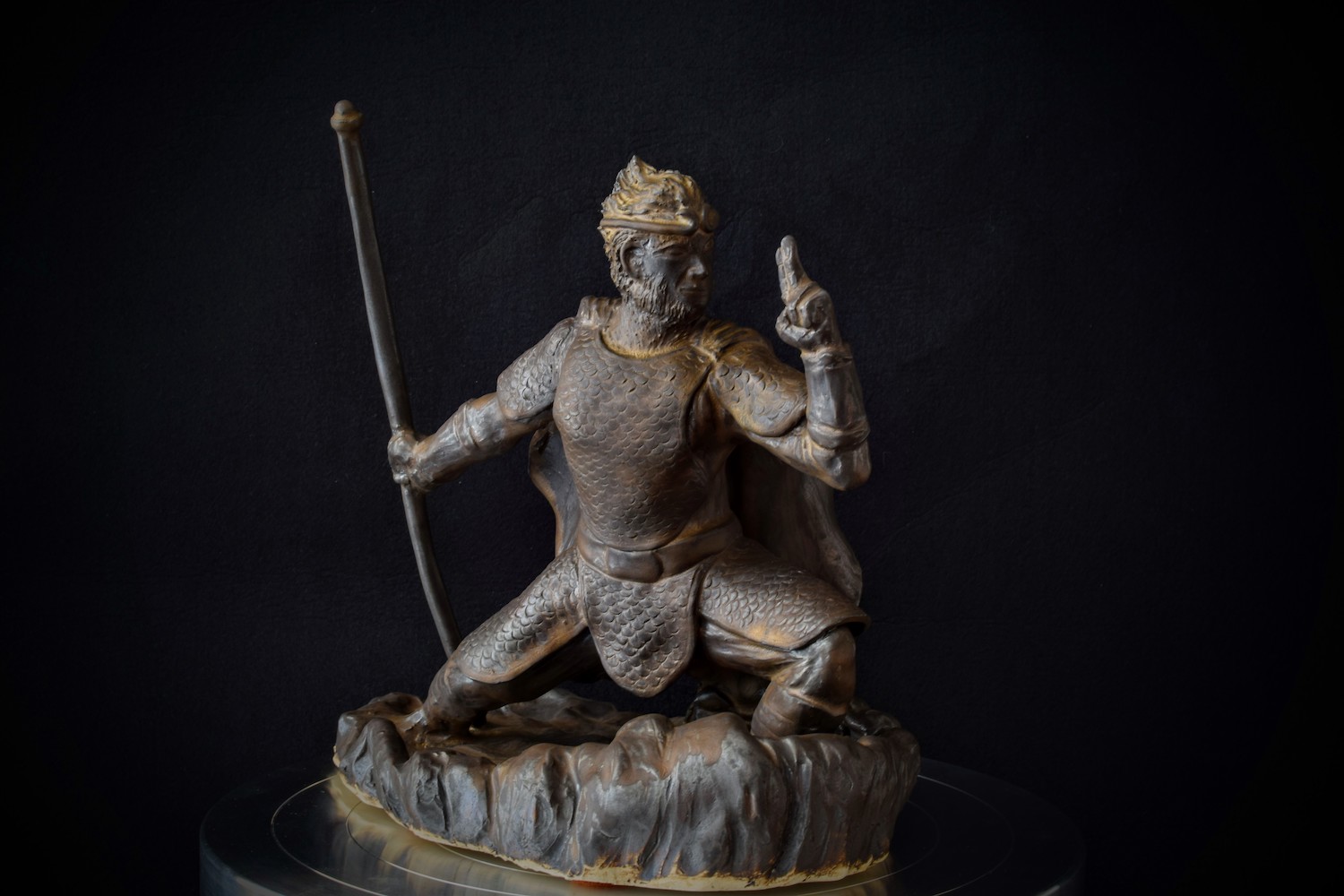
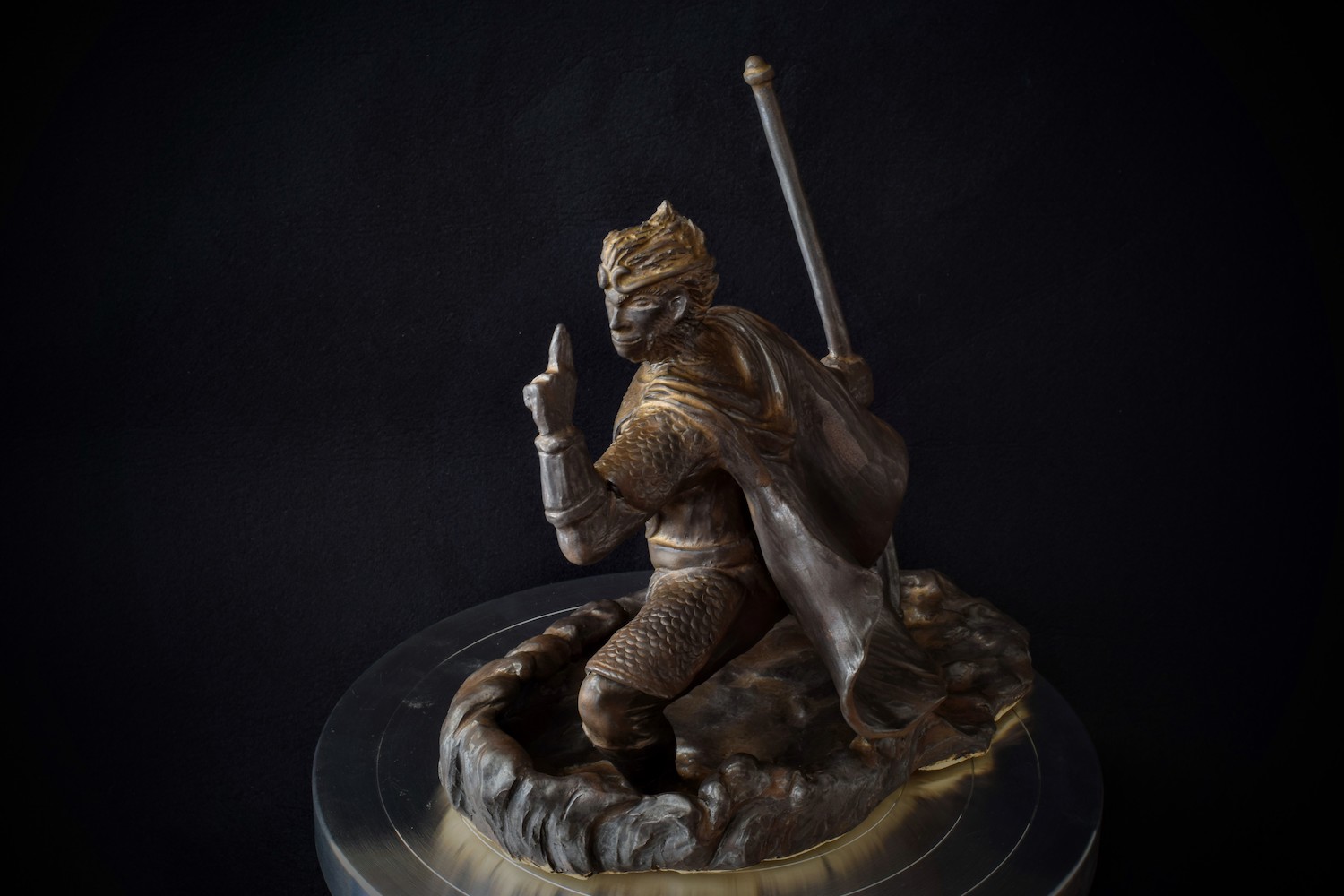
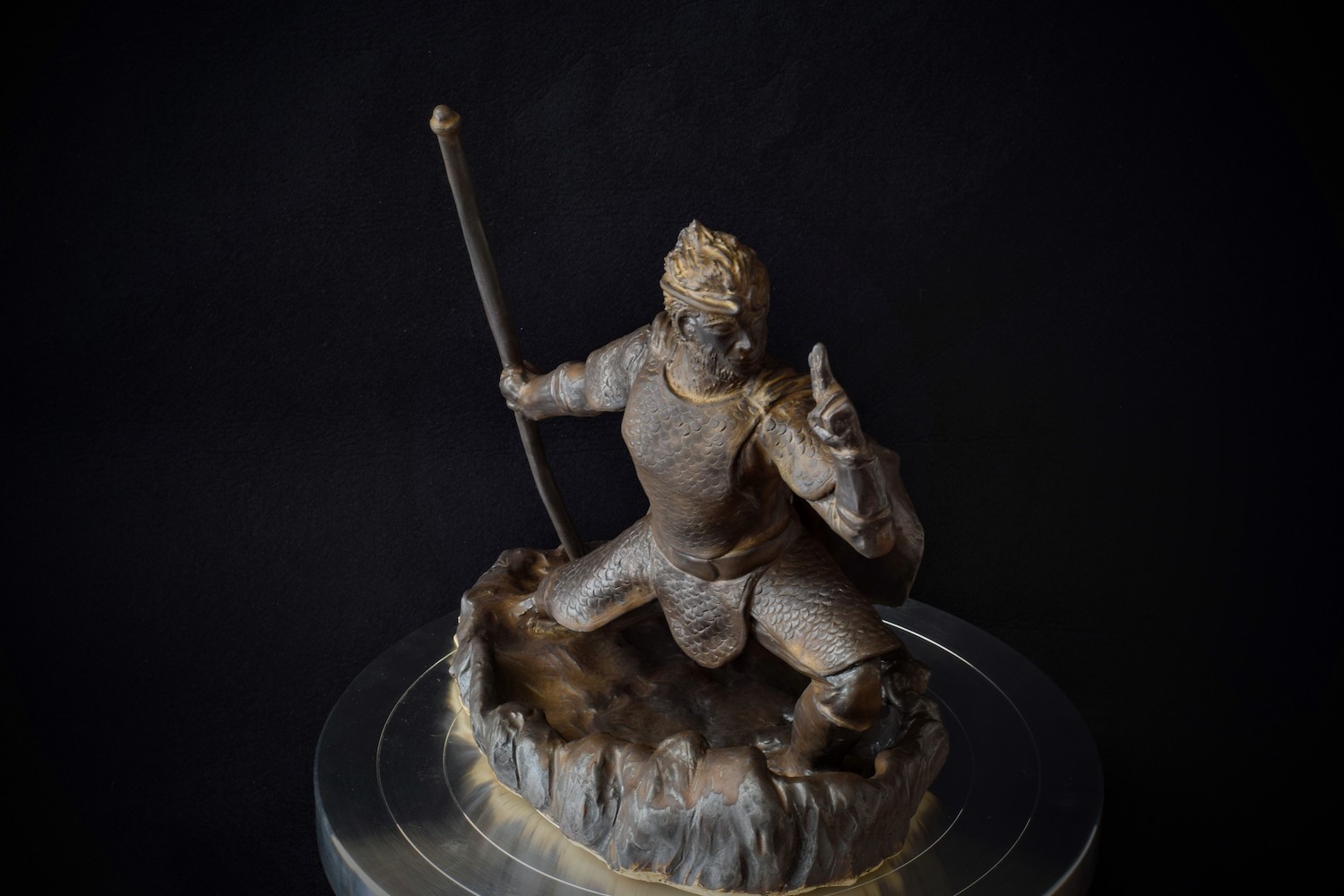

Wet clay model - work in progress
Flying Fish
- Details
- Category: Sculptures
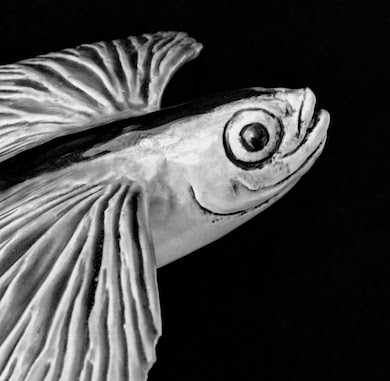
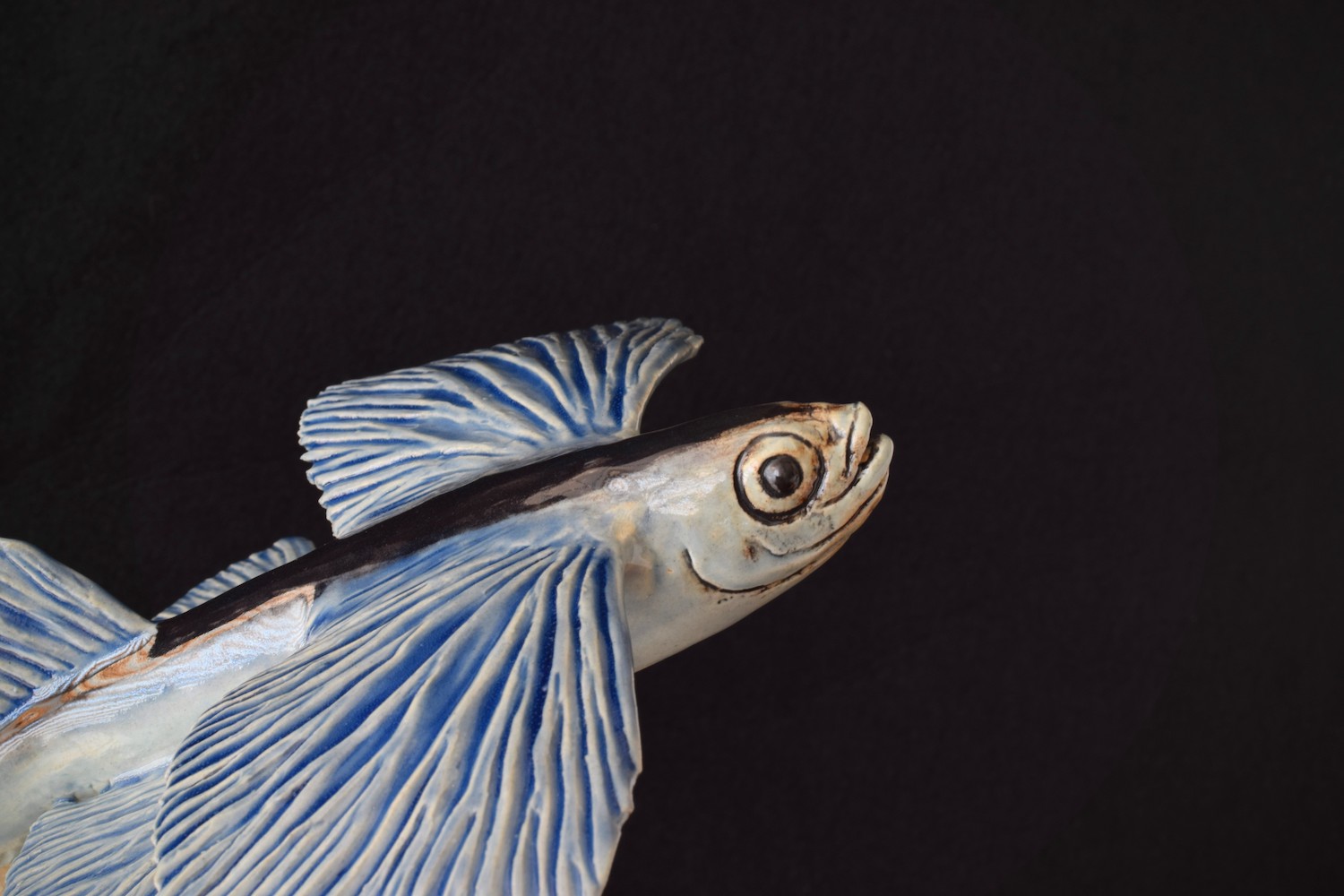
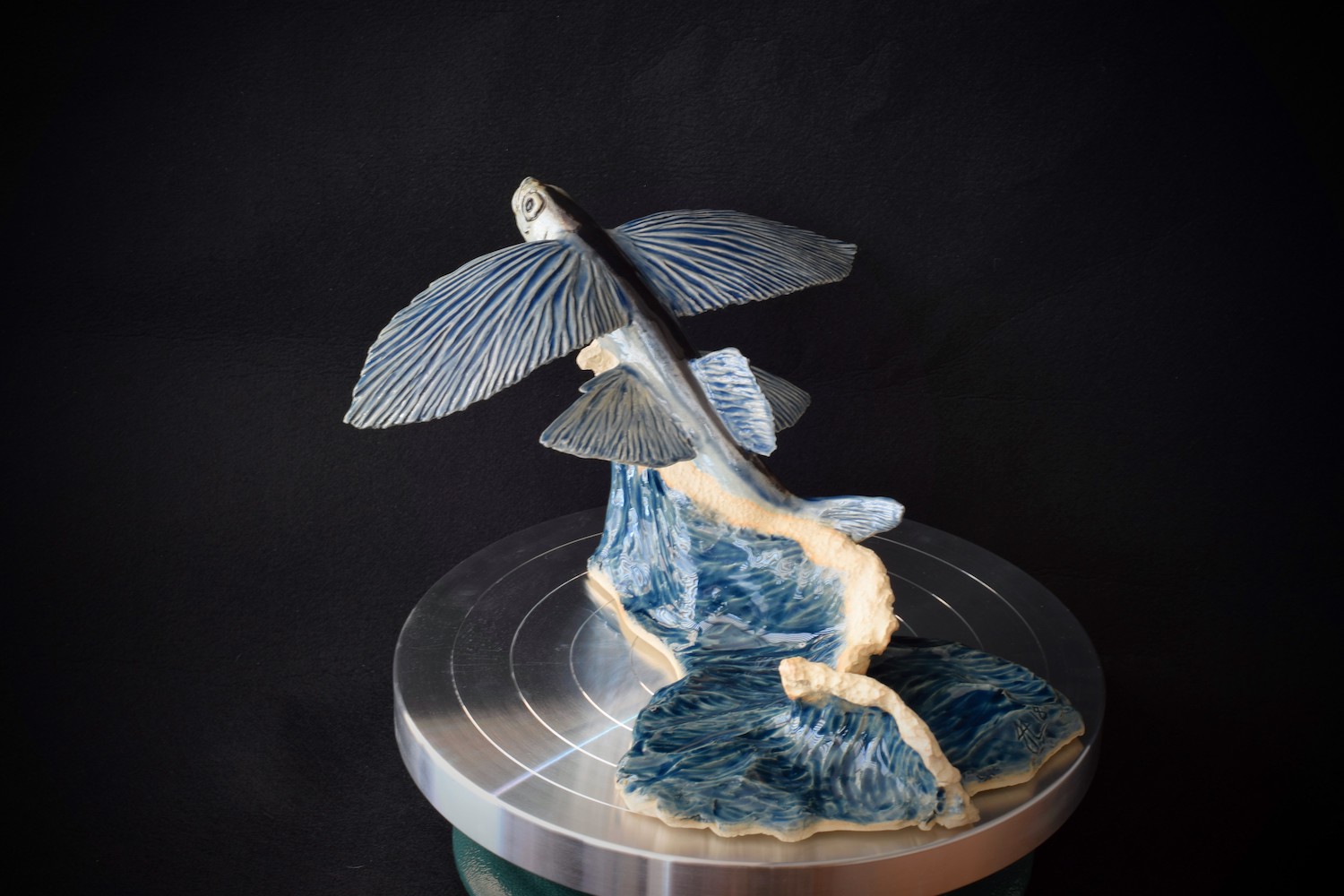
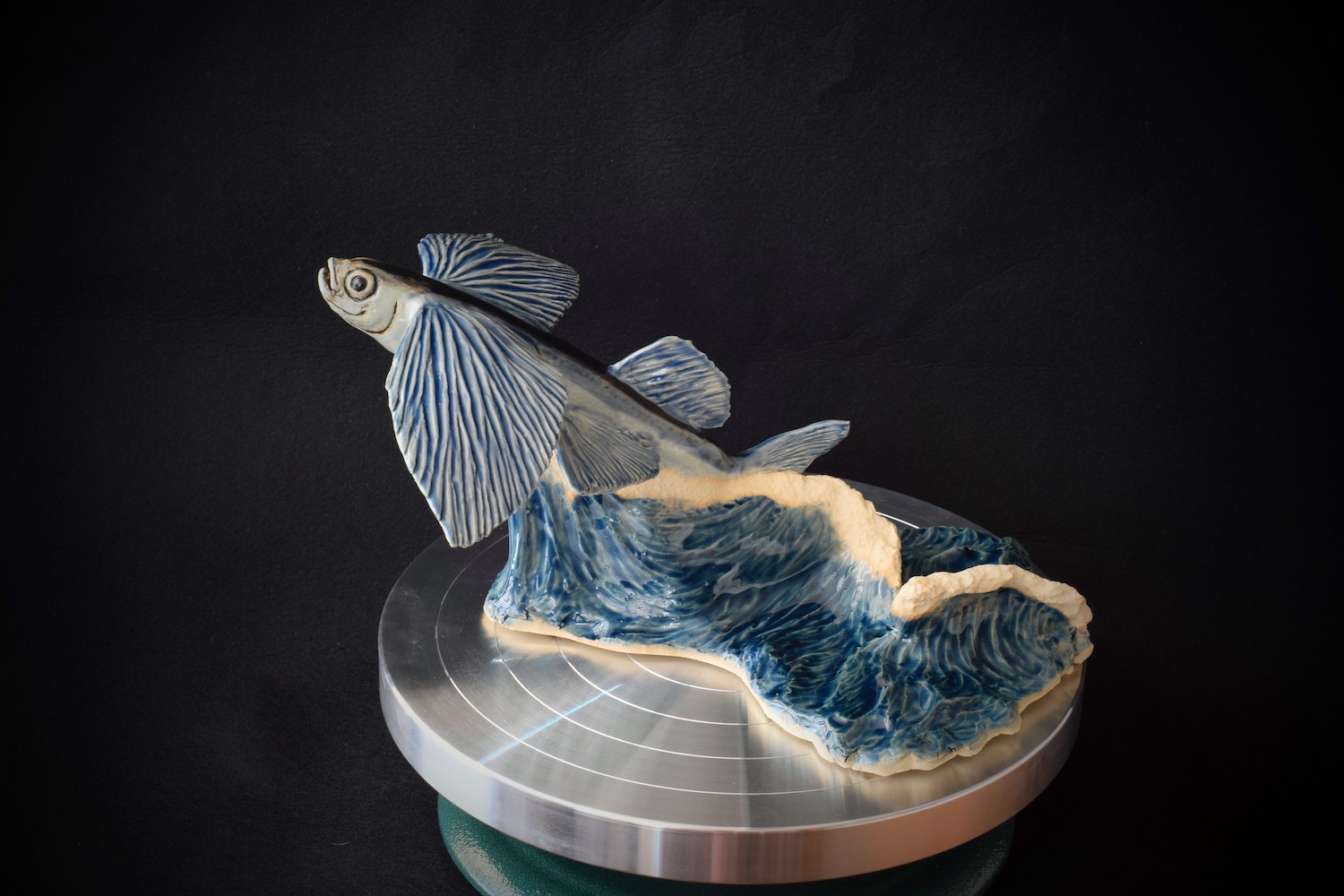
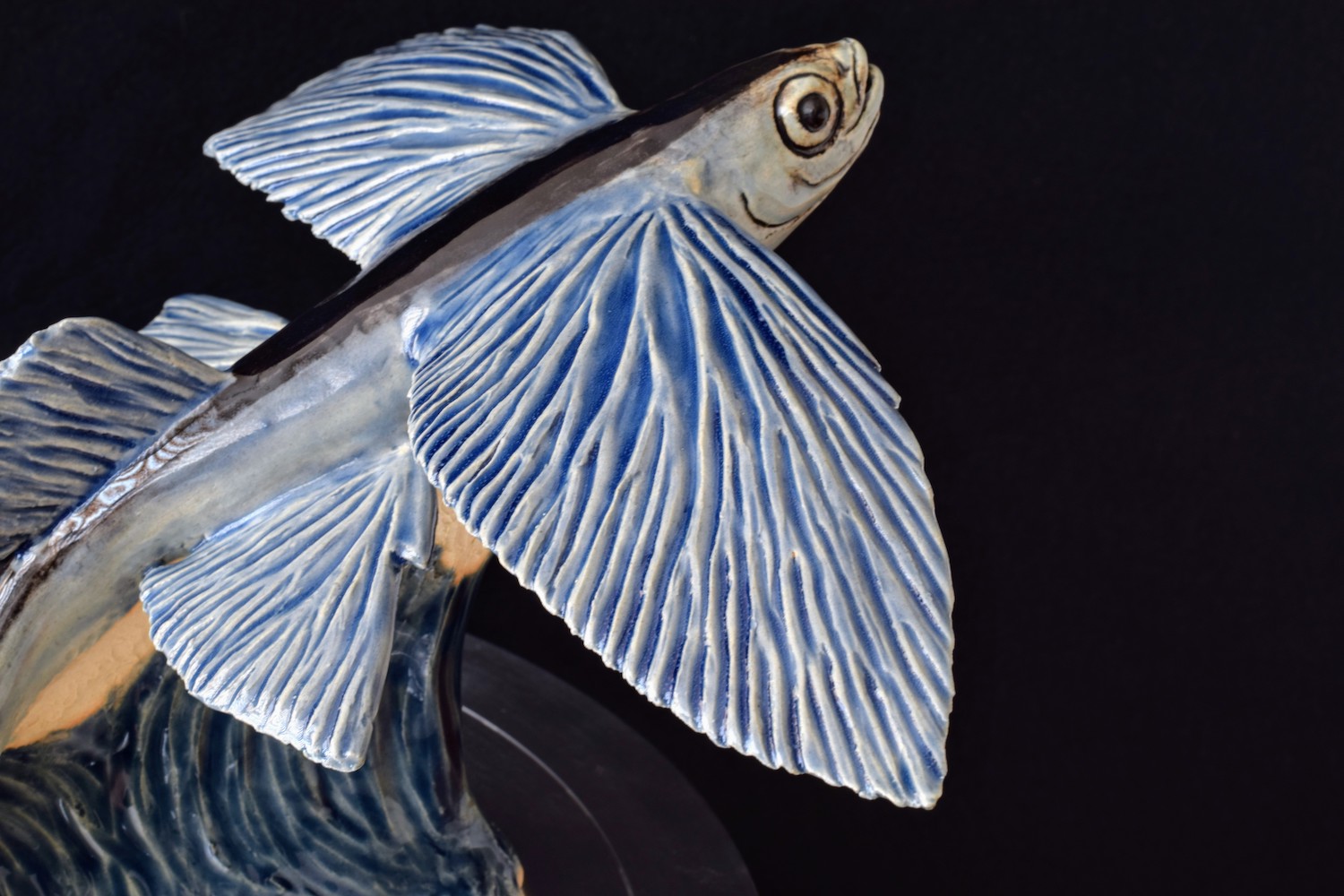
Flying fish (Exocoetidae) are found in in tropical and sub-tropical sections of all oceans. They possess an extraordinary ability to leap out of the water and glide long distances, wind-assisted, to evade predators. One specimen was recorded gliding for 45 seconds over a distance of about 160 feet. Their aerodynamic bodies and fin curvature have striking similarity to modern aircraft fuselages and airfoils. As a food source, they are consumed in just about every oceanic culture, and their bright orange roe is a prevalent delicacy in Japan and Korea. Flying fish produce beautiful zig-zagging patterns on the water's surface as they take off, which I also wanted to capture as part of this piece. Four different shades of celadon glaze was used along with underglaze for the fish and the ocean. My thanks again to the Ceramic Art Studio and Shop.



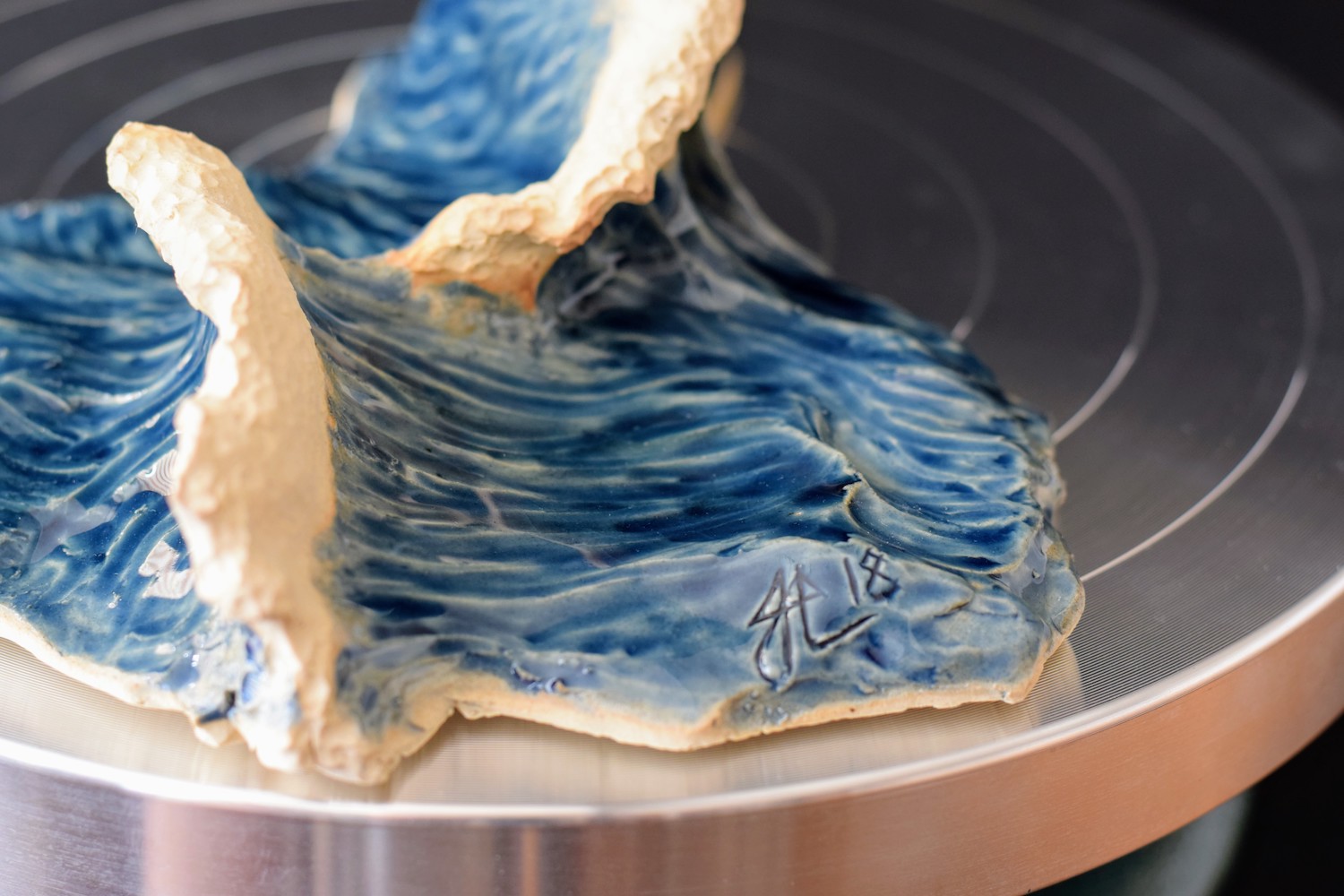

Wet clay model
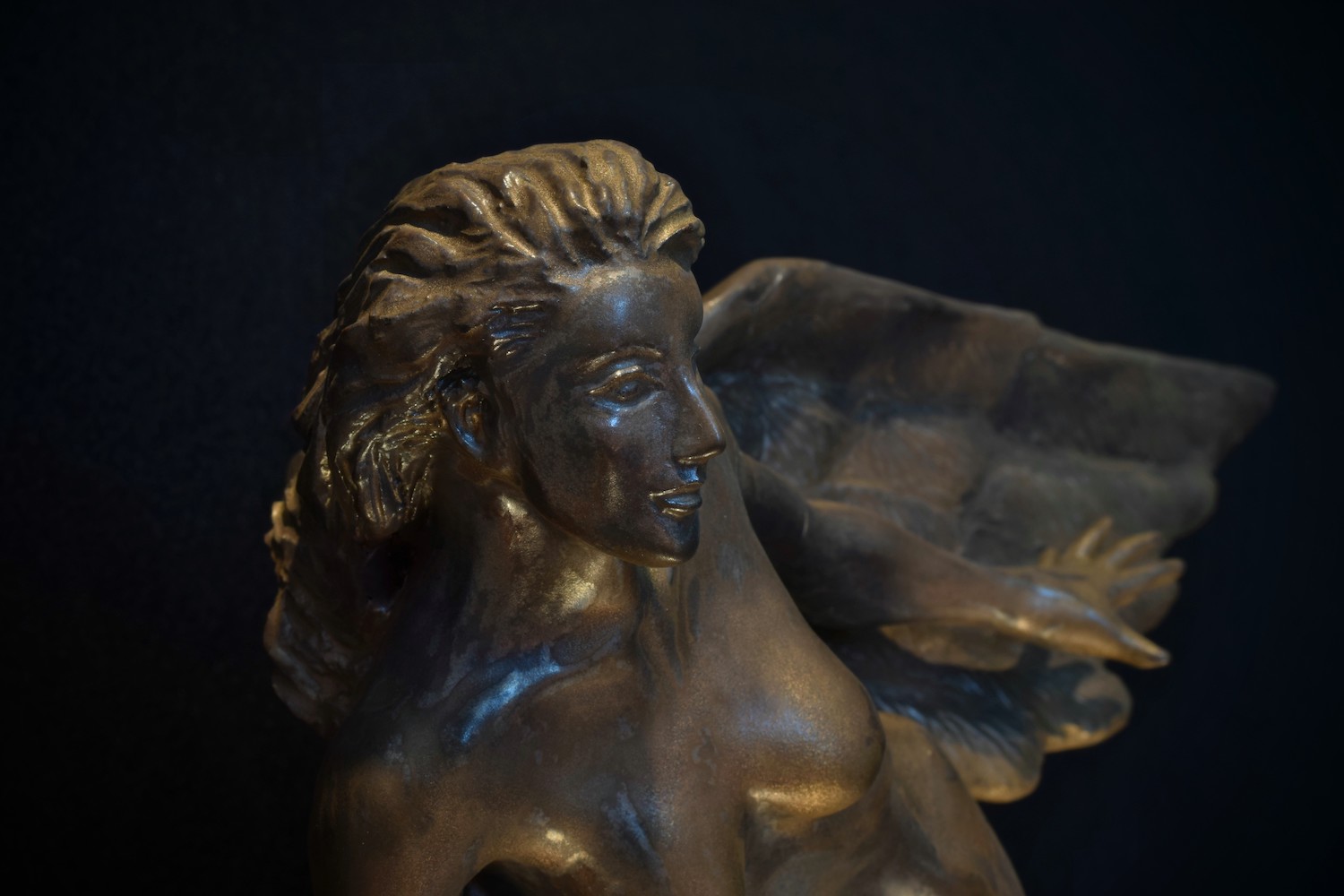
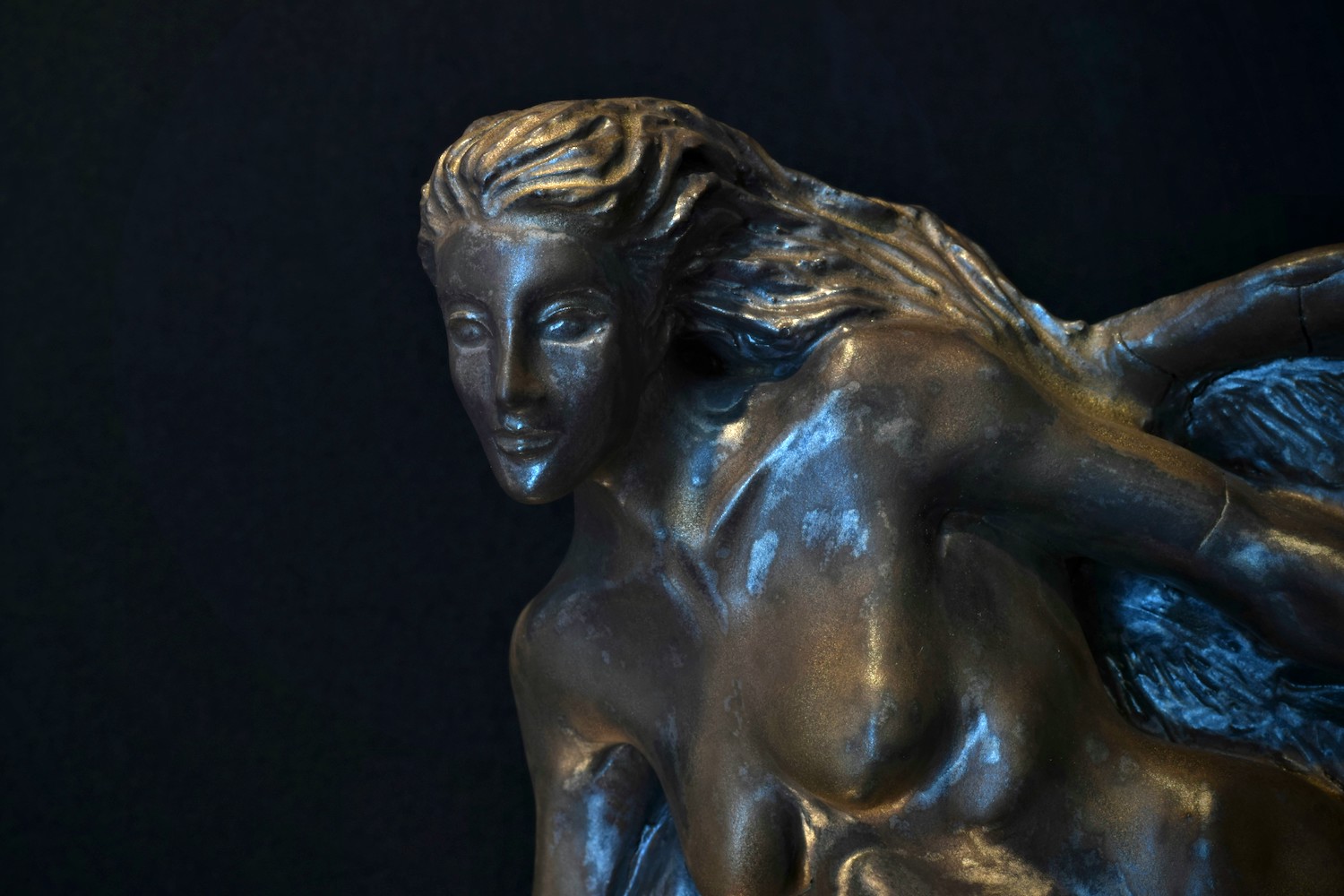
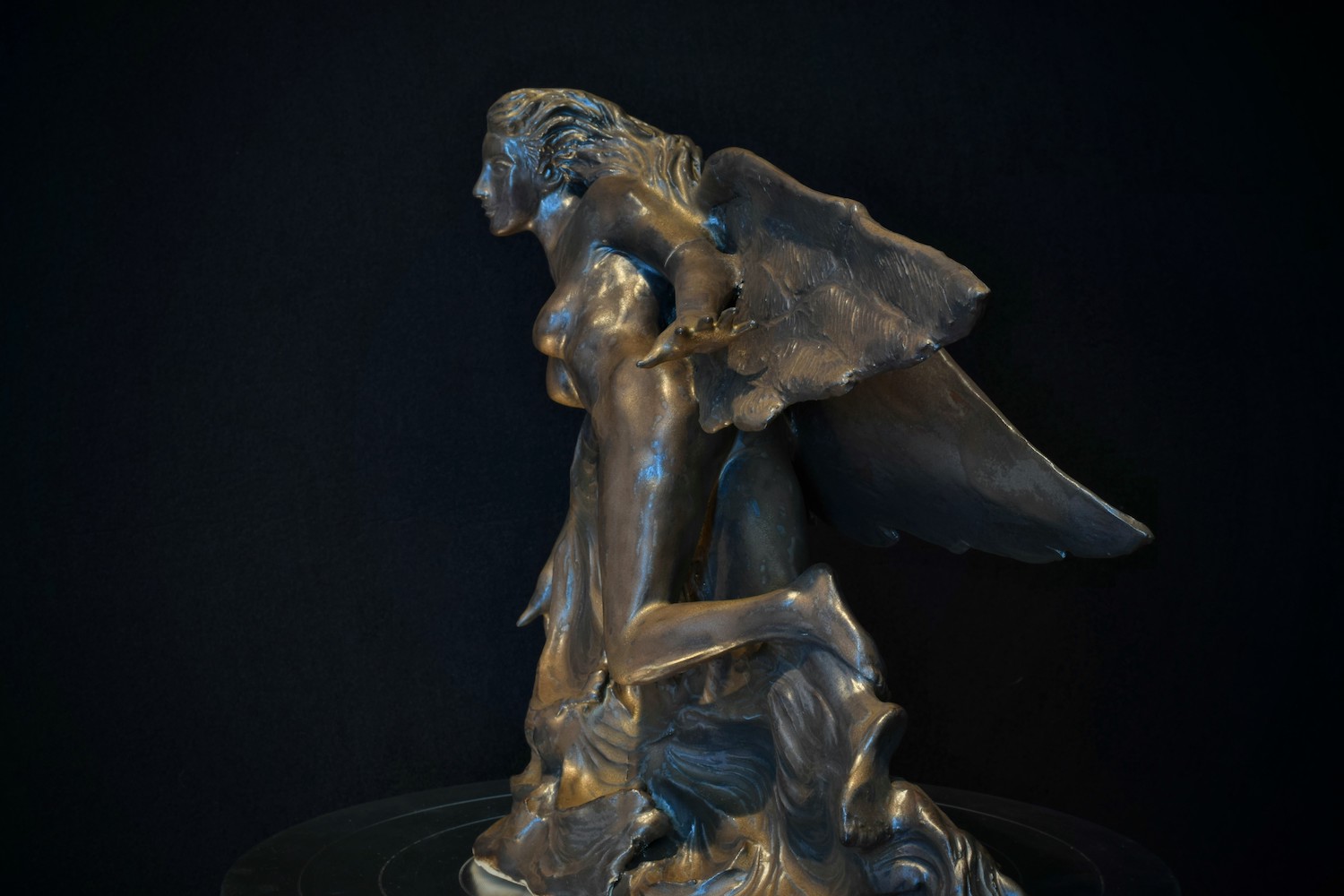
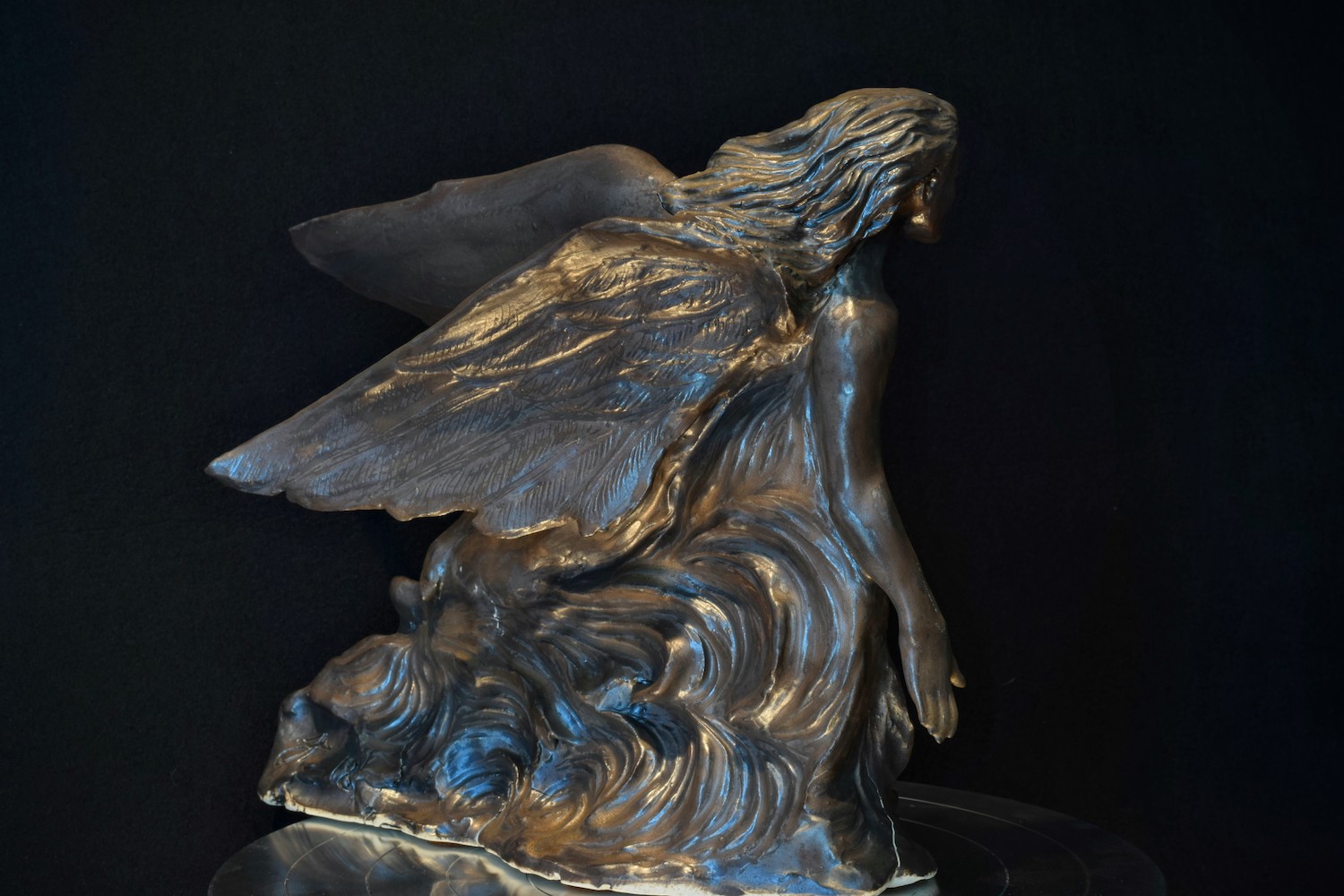
Flight II (Ceramic Winged Goddess)
- Details
- Category: Sculptures
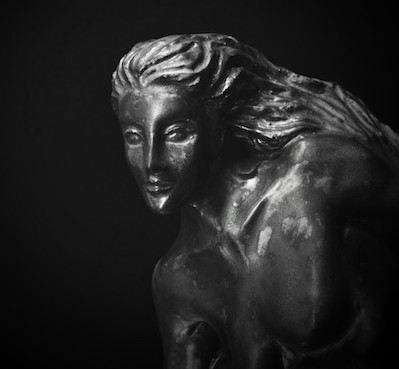
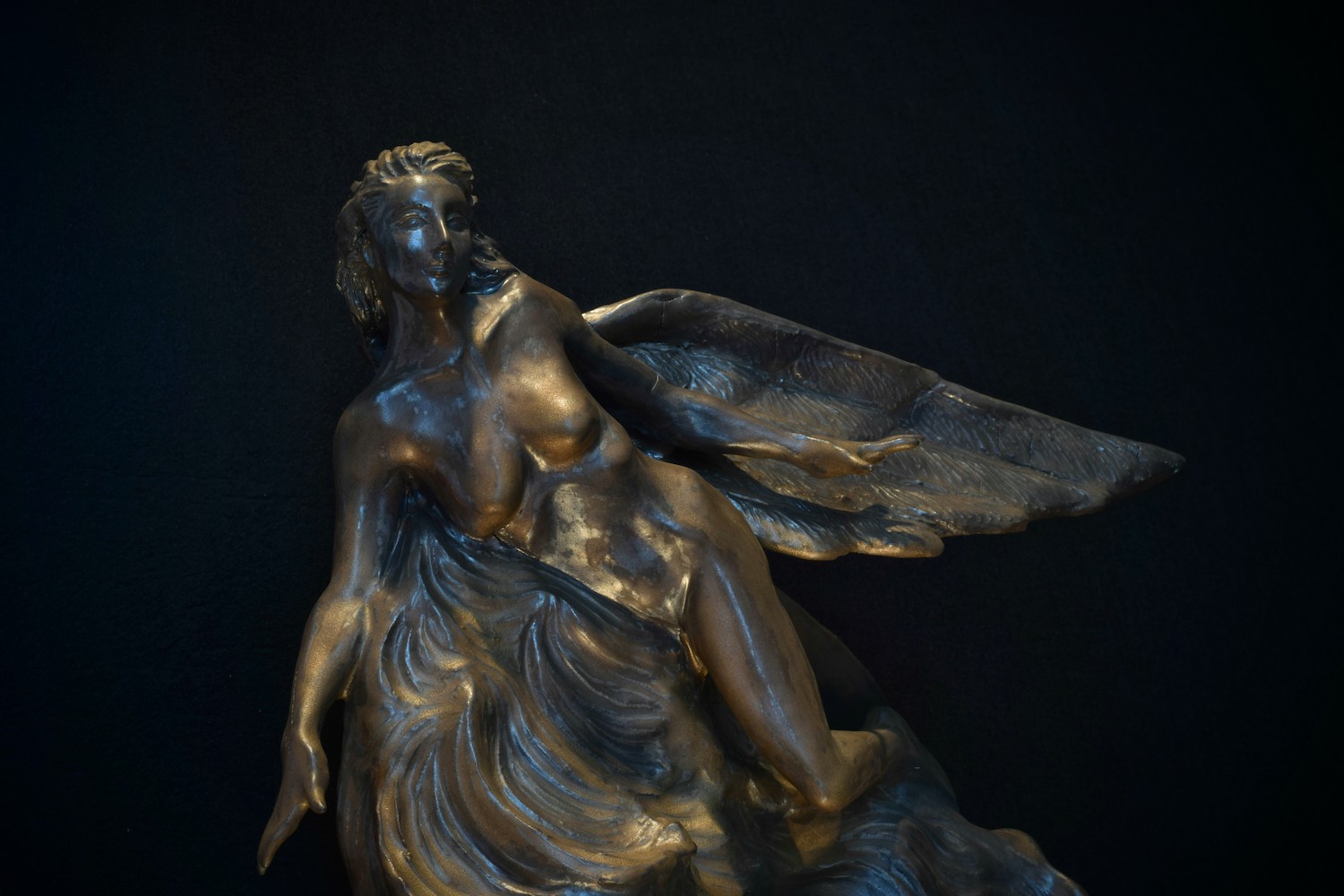
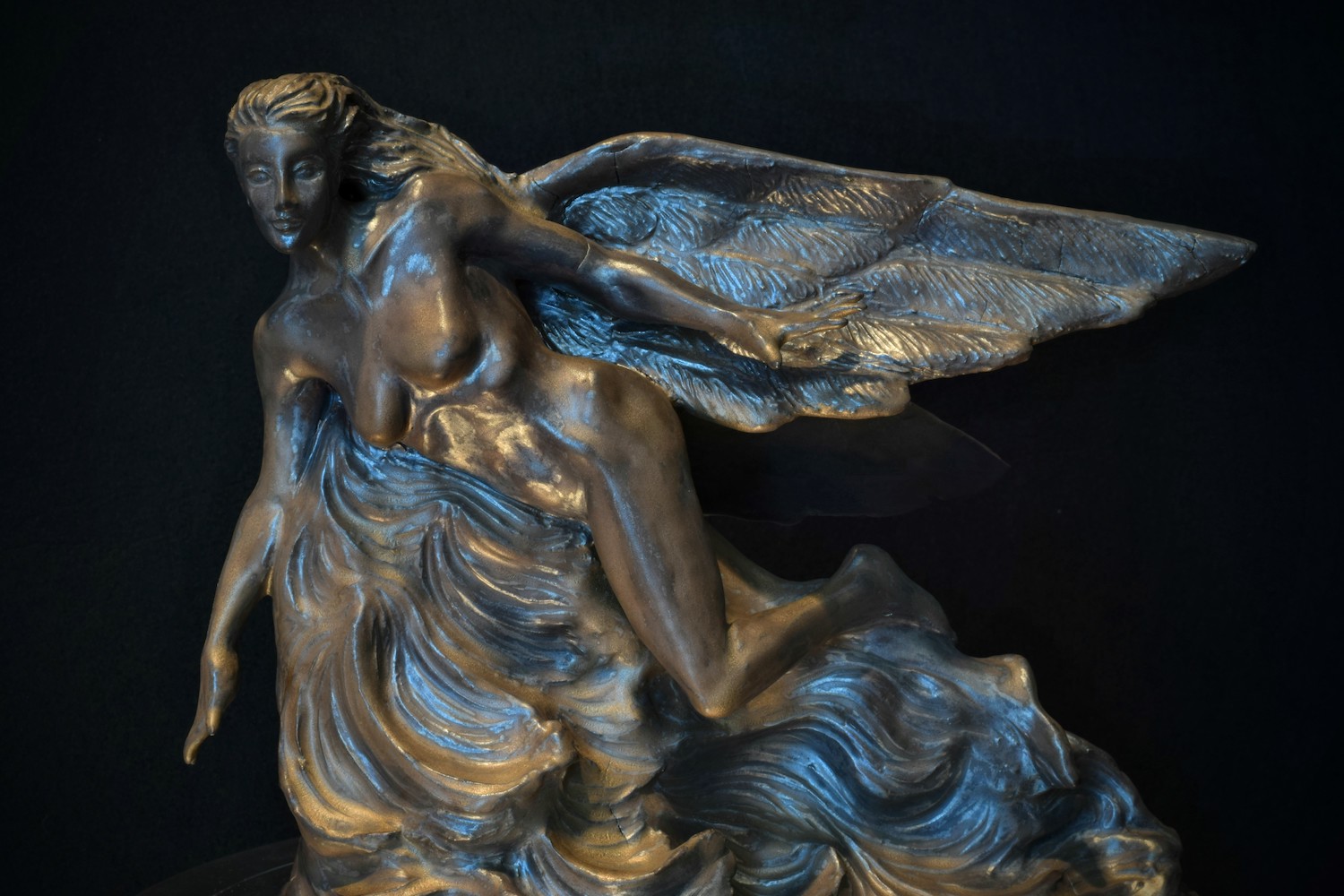
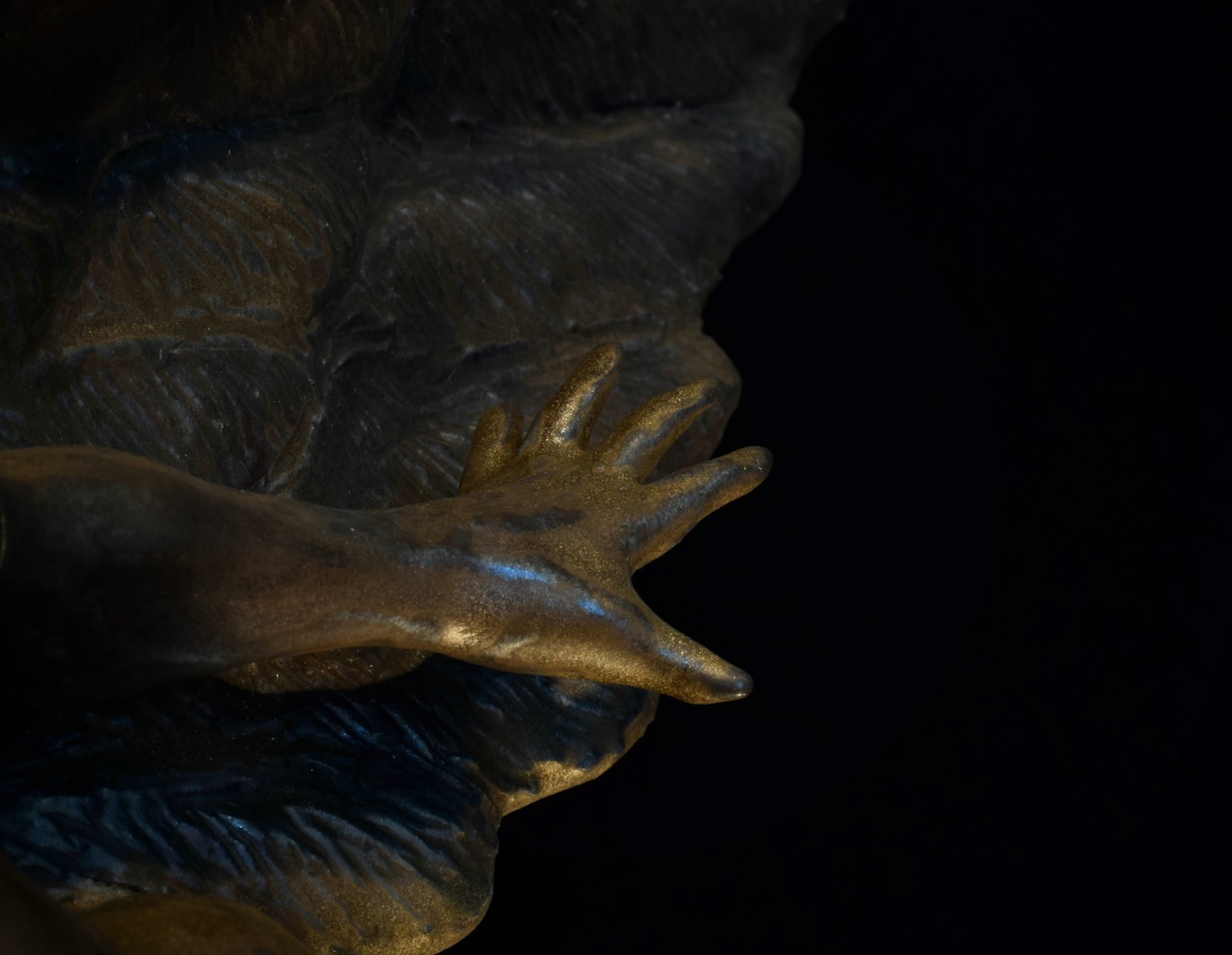
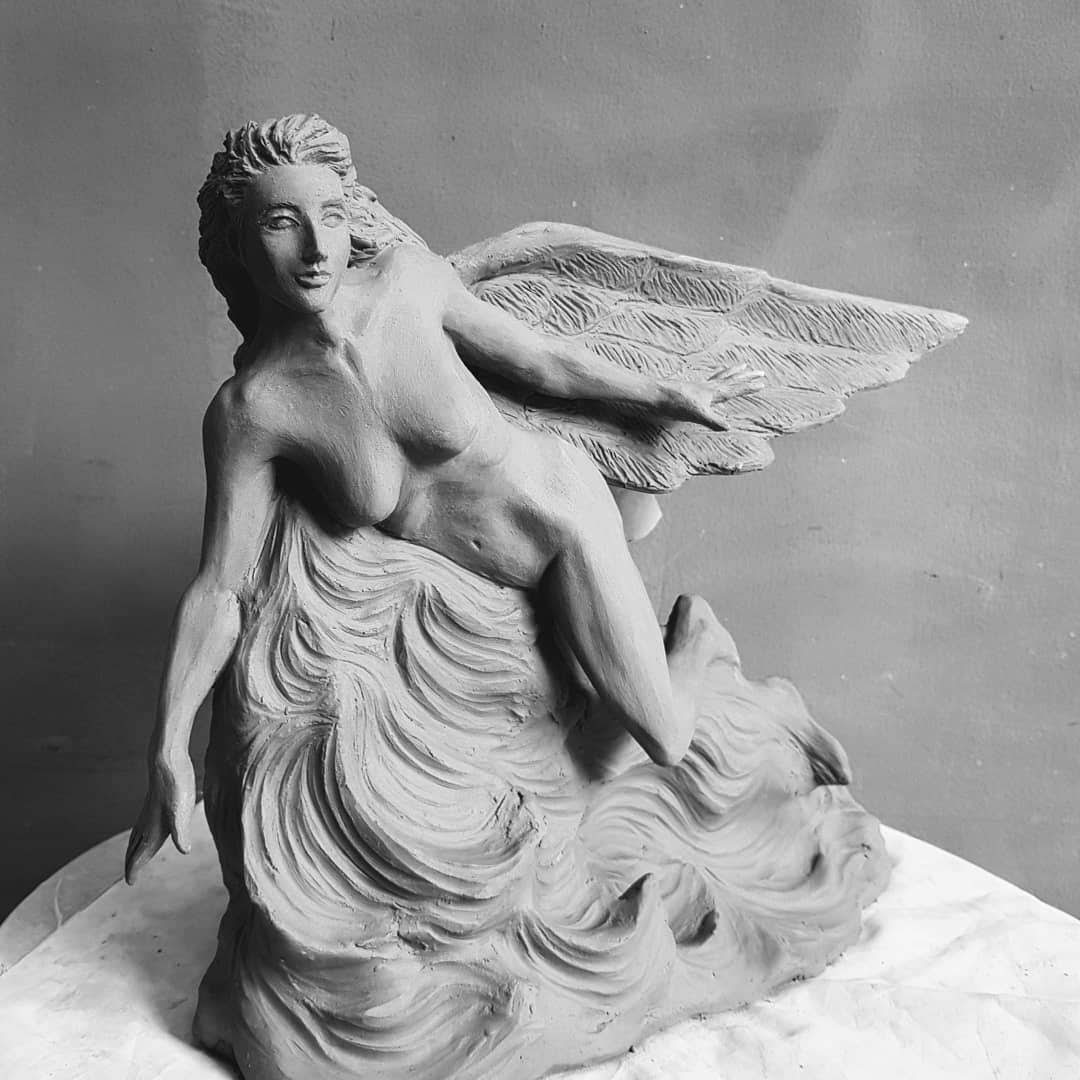
There are numerous goddesses and other mythological beings throughout history with winged appendages - angels being the most recognizable in present times. Most winged female figures featured in legends and myths often play the role of a messenger, guardian, or celestial host. Some famous winged female figures in mythology and legends are Nike (Greek), Victoria/Victory (Roman), Isis (Egyptian), Valkyries (Norse), and of course angels and fairies. My thanks again to the Ceramic Art Studio and Shop.
Page 58 of 71