Home
Whale Shark
- Details
- Category: Sculptures

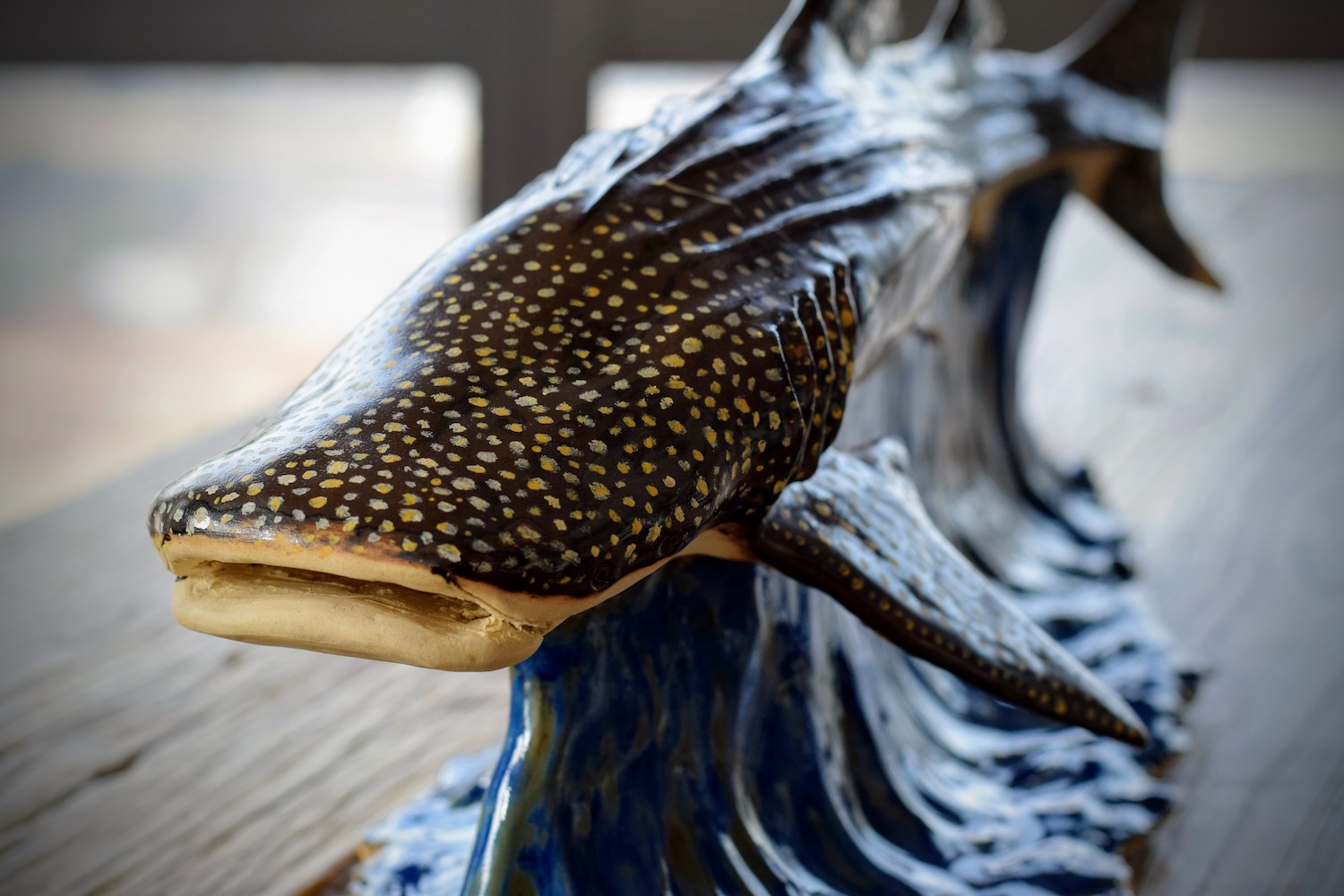
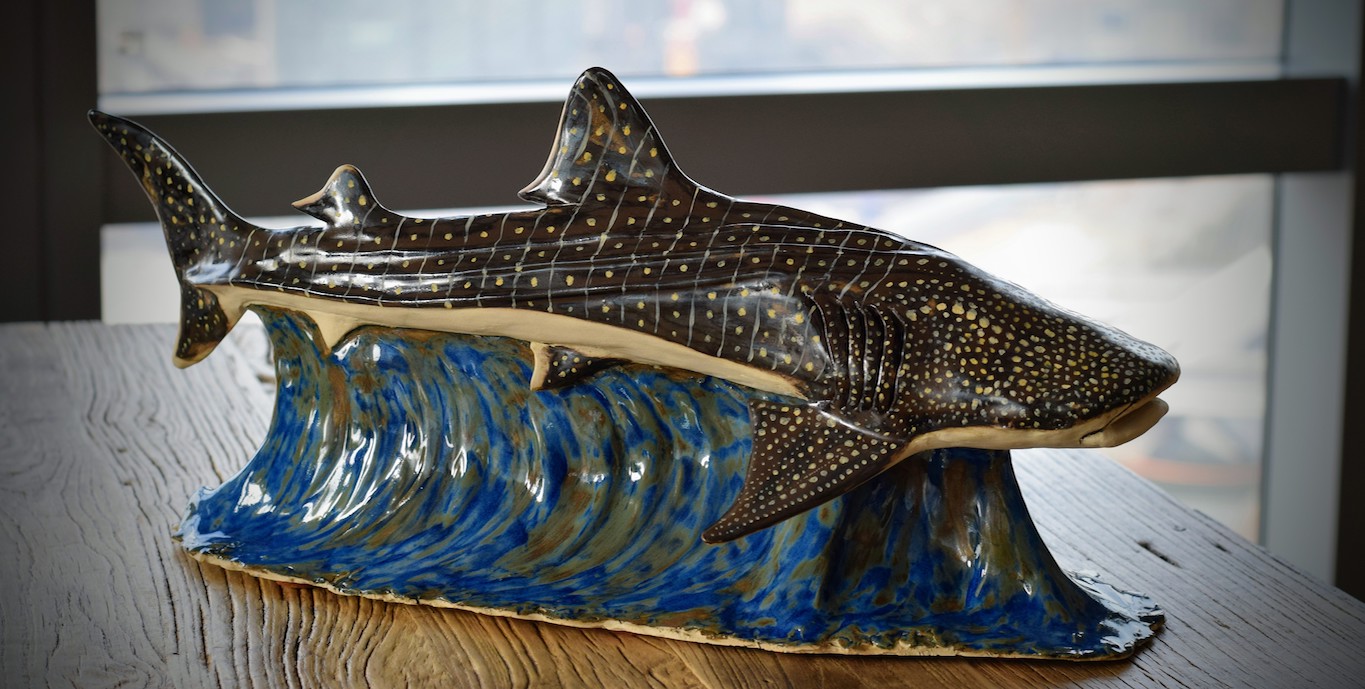
The whale shark (Rhincodon typus), is the largest fish species and the largest non-mammalian vertebrate, reaching over 40 feet and weighing up to 47,000 pounds. This slow moving giant is found in warm seas all over the globe and feed on plankton and small fish. Whale sharks are estimated to live over 70 years, and are considered harmless to humans. The first whale shark kept in captivity was in 1980 at the Okinawa Churaumi Aquarium, where I also coincidently saw them in person for the first time during the 2018 New Year's holidays. Seeing these gentle colossal living submarines swim over my head inspired me to sculpt one. As always, my thanks to the Ceramic Art Studio and Shop.



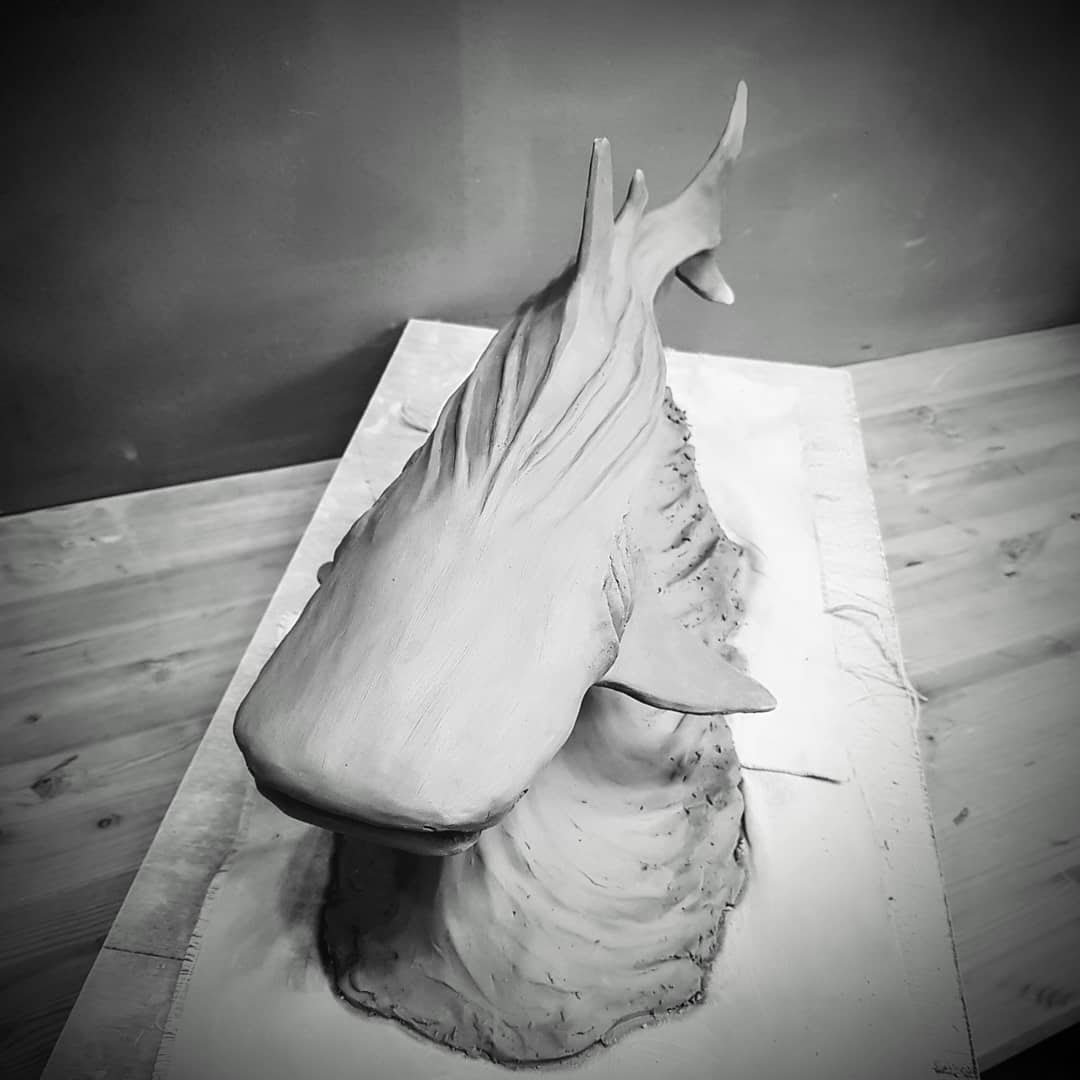
Wet clay model

Wet clay model
Siberian Tiger in the Snow
- Details
- Category: Sculptures

Tyger Tyger, burning bright,
In the forests of the night;
What immortal hand or eye,
Could frame thy fearful symmetry?
- William Blake
The Siberian tiger (Panthera tigris tigris) also called Amur tiger, is considered to be the largest tiger species, weighing up to 700 lbs in the wild and over 1,000 lbs in captivity. This magnificent beast once ranged throughout Korea, north-eastern China, Russian Far East, and eastern Mongolia, but are now limited to mostly Russia and some parts of China. As a subspecies, the Siberian tiger's skull is more massive and broader than Bengals, and their mane and fur thicker, and paws wider. In preparing for this piece, I studied a lot of videos of wild Siberian tigers. One wild Siberian was so large and burly that if not for the stripes could almost pass for a bear! I think my favorite animal of all time is the Siberian tiger for their power, beauty, and rarity. I will definitely be making more tigers as my clay sculpting skills improve. As always, my thanks to the Ceramic Art Studio and Shop.


Wet Clay Model
Giant Oceanic Manta Ray and Mermaid
- Details
- Category: Sculptures

The Giant Oceanic Manta Ray (Manta birostris) is the largest ray species in the world, with a wingspan of over 20 feet. These gentle giants feed on zooplankton (shrimp, krill, and planktonic crabs) and are distinguished from other manta ray species with markings on their backs that produce a large capital letter "T". Giant mantas produce one (and occasionally two) offspring per birth cycle (up to 13 months), and their population has drastically declined over the last twenty years due to overfishing. My thanks again to the Ceramic Art Studio and Shop.


Wet clay model

Wet clay model

Wet clay model

Concept sketch - done on iPad Pro with Apple Pencil
Swan Lake Suiban Tray
- Details
- Category: Sculptures
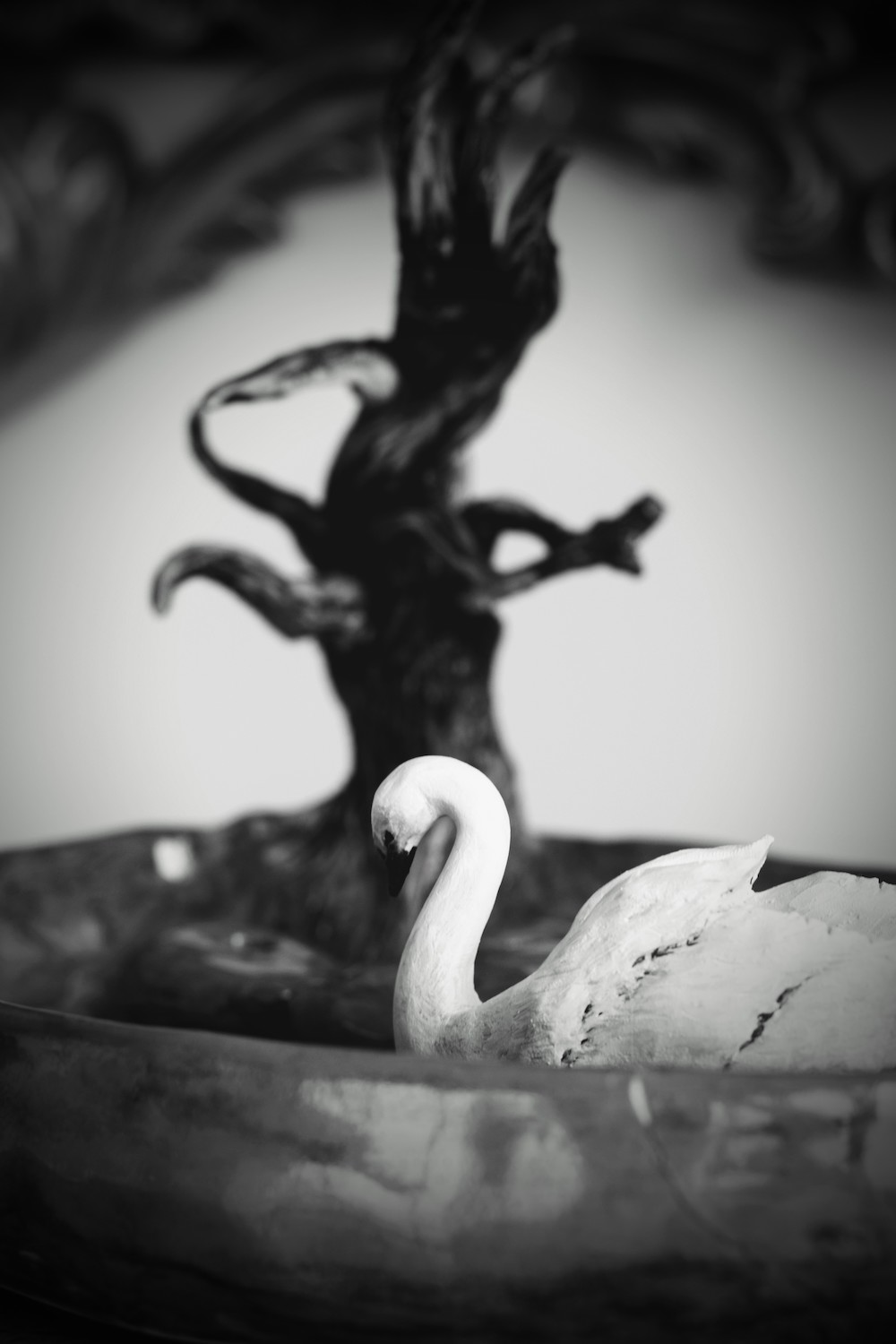
In Ikebana, the traditional Japanese art of flower arranging, the Moribana style uses a flat tray called "suiban" with water. I actually tried to sculpt individual cherry blossom petals, but after a few stubborn attempts, realized that I was not yet skilled enough to pull this off. I think that a few sakura flowers if arranged just right could be positioned with the tree limbs to resemble a miniature tree - a kind of bonsai effect. The lone mute swan further reinforces the scale and serenity of the traditional Moribana display. My thanks again to the Ceramic Art Studio and Shop.


Wet clay model

Concept Sketch
Page 63 of 71