- Details
- Category: Sculptures

This is a second version of a peony trinket box, made a bit larger and fuller than my first attempt. Incidentally, a video I posted on the making of the petals on Instagram has received over 24,000 views as of this writing. My thanks again to the Ceramic Art Studio and Shop.


Wet Clay Model
- Details
- Category: Sculptures

I made this on a dare from a ceramic sculpting colleague. Not exactly my cup of tea, but it made for good use of left over clay. I based the little bugger on a British Short Hair since well duh, the cat's from Cheshire innit? My thanks again to the Ceramic Art Studio and Shop.


Wet clay model
- Details
- Category: Sculptures
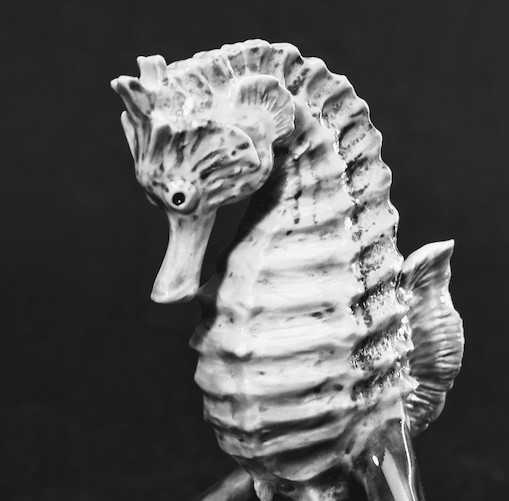
Seahorses are small marine fish in the genus Hippocampus, named so for the superficial resemblance of their head and neck areas to horses. There are 45 different species of seahorses, ranging in size from less than an inch to over one feet in length. Many seahorses have specialized skin that allows them to camouflage themselves in color and texture with their background. Perhaps the most popular "fun" fact about them is that seahorse males carry the young through pregnancy and birth. The eggs are deposited by the female into the brood pouch of the males where they gestate from 2 to four weeks until the males give live birth. My thanks again to the Ceramic Art Studio and Shop.


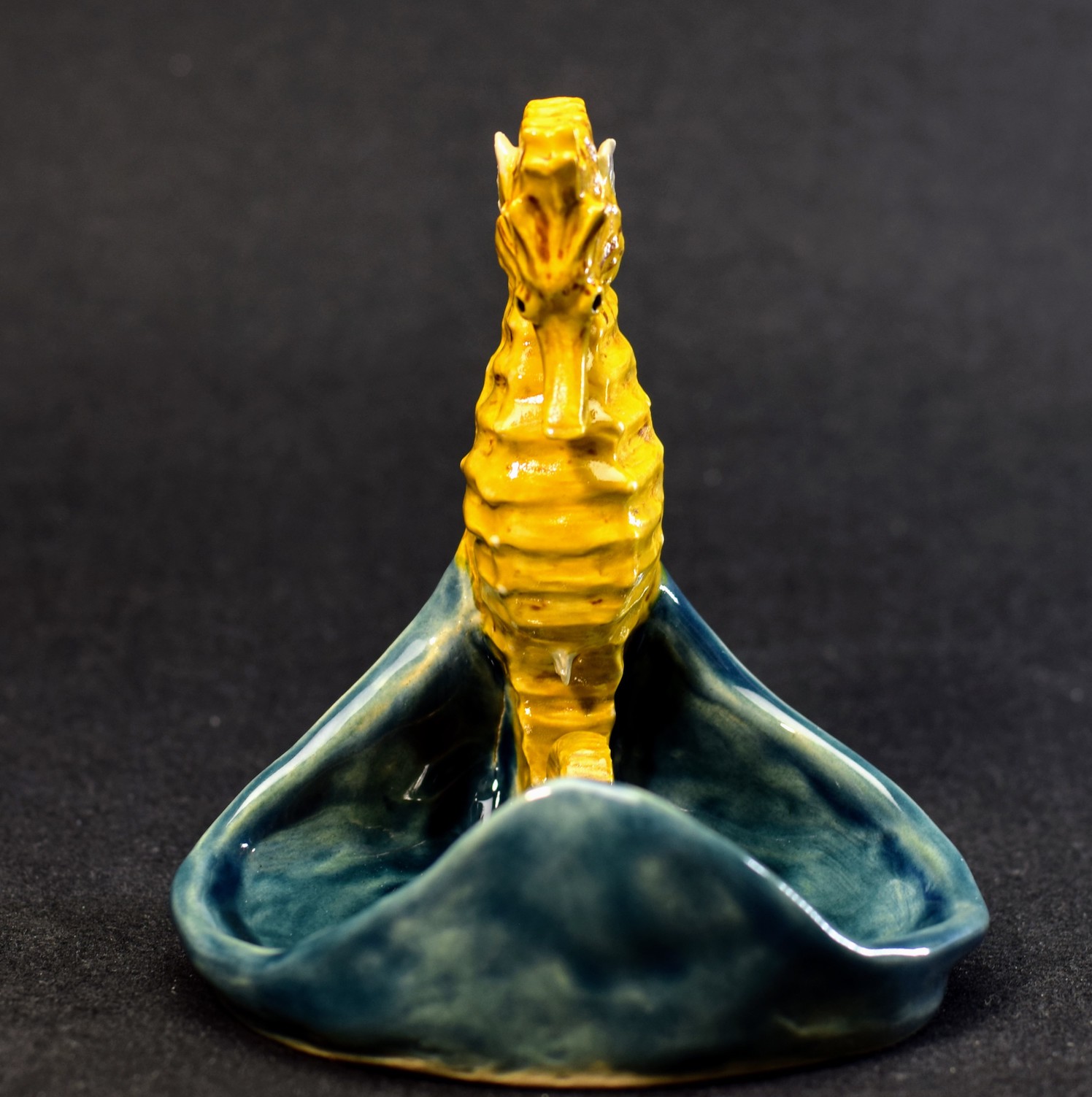


Wet clay model
- Details
- Category: Sculptures

The alpaca (Vicugna pacos) is a species of South American camelid. Alpacas and llamas are similar in appearance and are both descended from the vicuña; however, alpacas are smaller and bred for their fiber whereas llamas are bred as working animals. Alpaca fleece is soft as cashmere, naturally hypoallergenic, warmer than wool, and is also water repellent. I based my model on an alpaca cria (term for a baby or juvenile alpaca) resting as they typically do with their front legs tucked under. My thanks again to the Ceramic Art Studio and Shop.


Wet clay model
- Details
- Category: Sculptures

Chinese hamster (left) and Lab rat (right). Medical science owes more to these two rodents than perhaps any other animal on the planet. 2020 being the year of the rat, I thought it fitting to pay tribute to these humble servants and enablers of the bio-pharmaceutical industry through which millions of lives have been enriched and saved. Incidentally, Chinese hamsters were more commonly used in medical research until lab rats and mice replaced them as they were easier to maintain and breed. To this day, many biologic drugs are developed and manufactured using the ovarian cells of the Chinese hamster - referred to within the industry as "CHO cells" (Chinese Hamster Ovary cells). My thanks again to the Ceramic Art Studio and Shop.
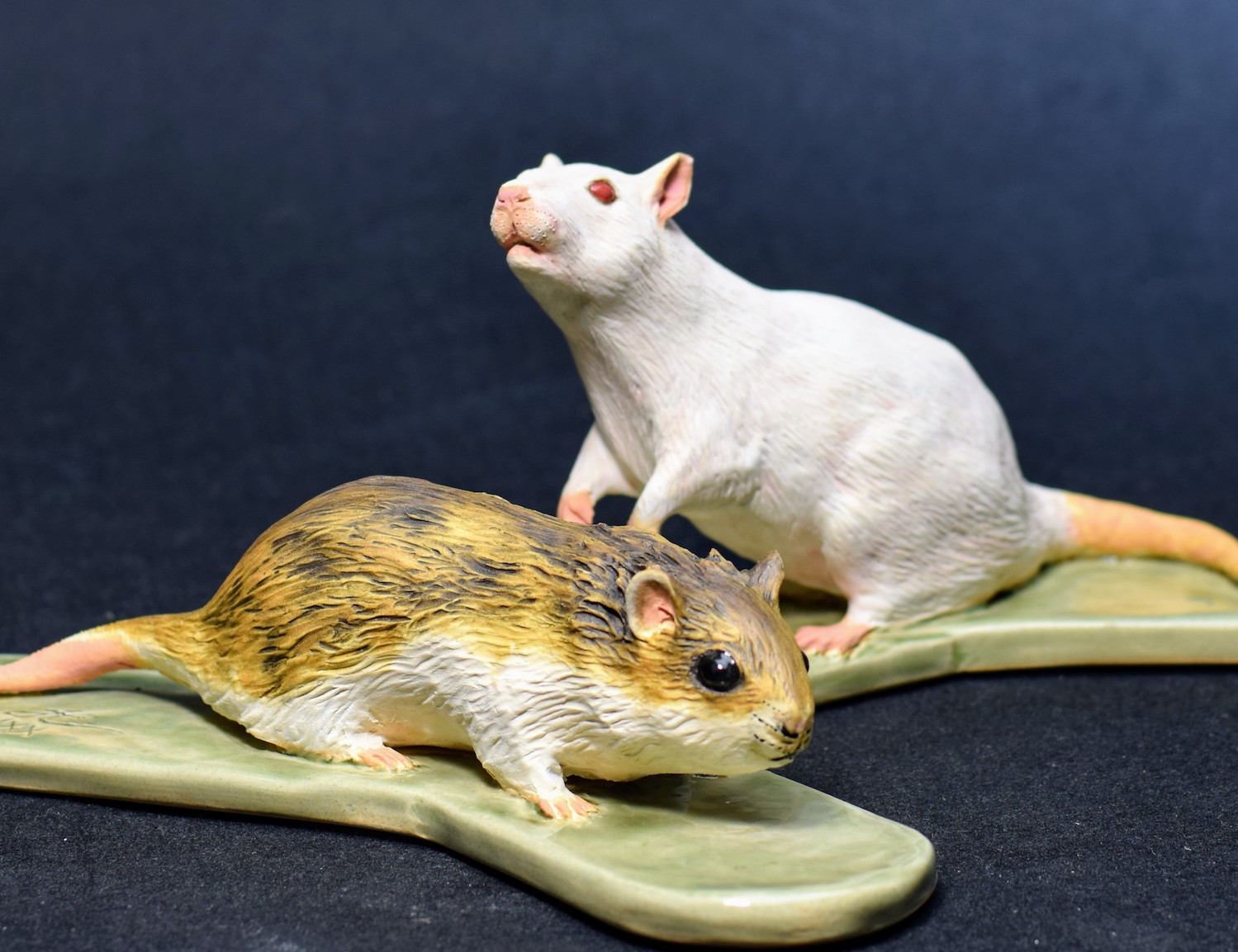


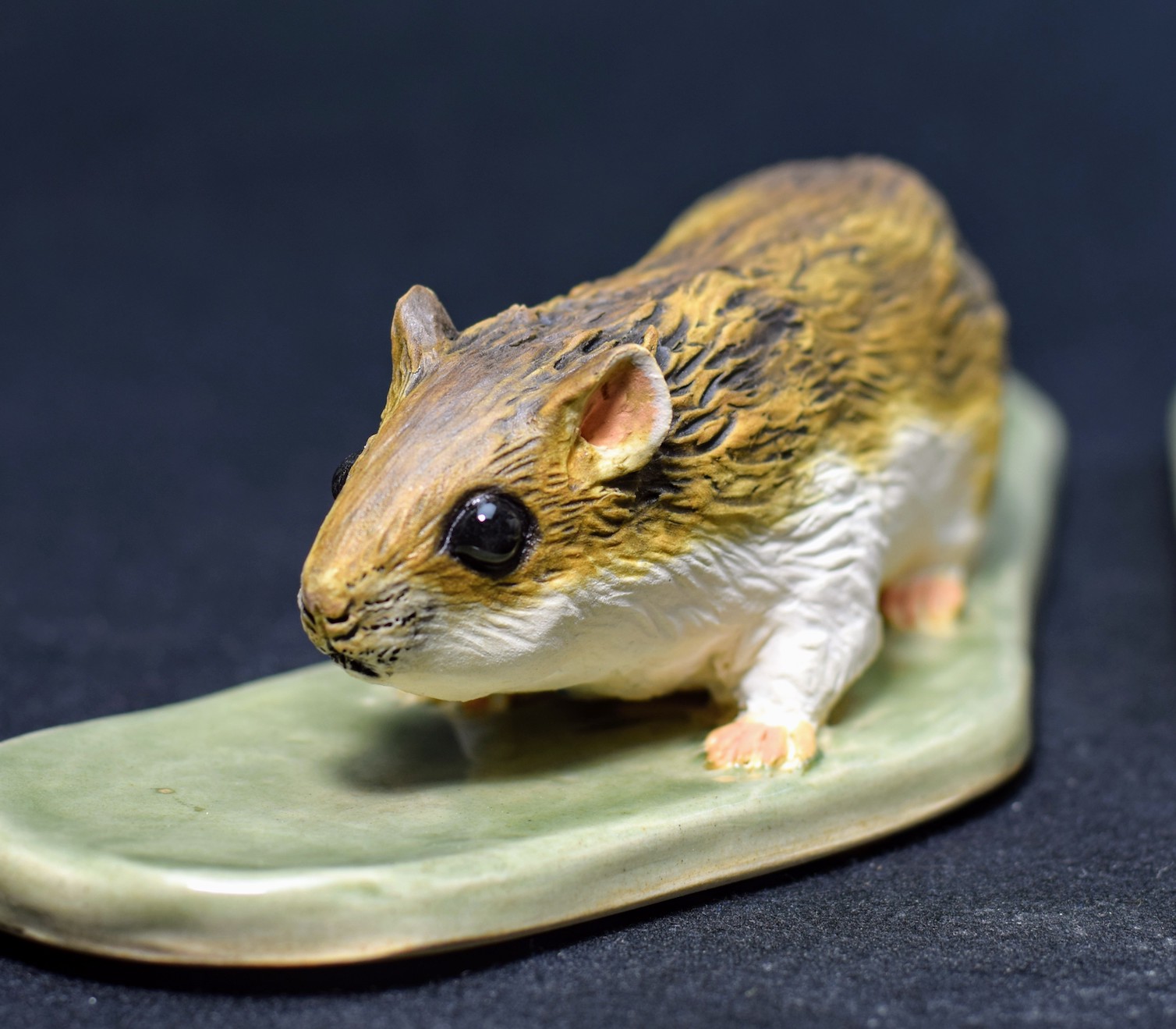
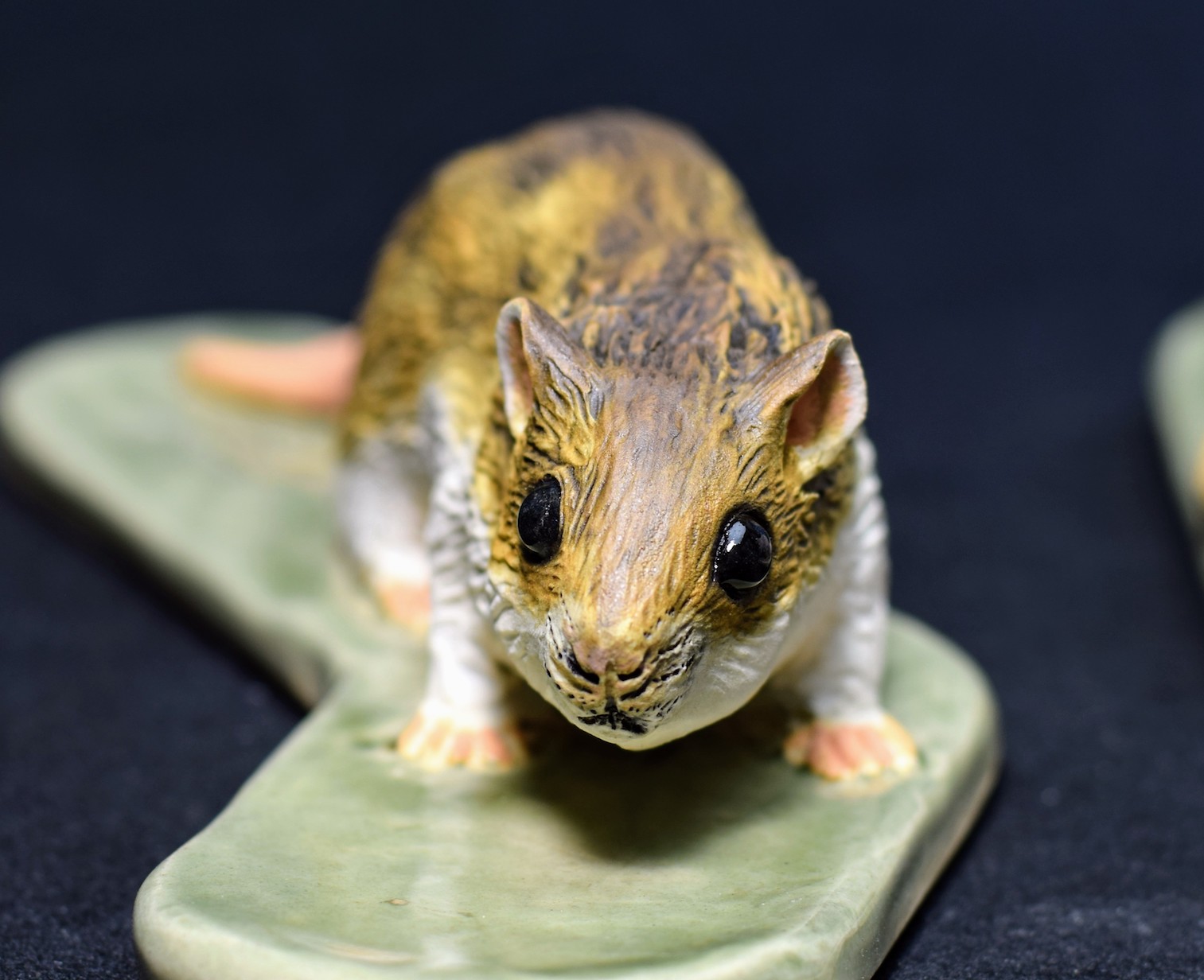


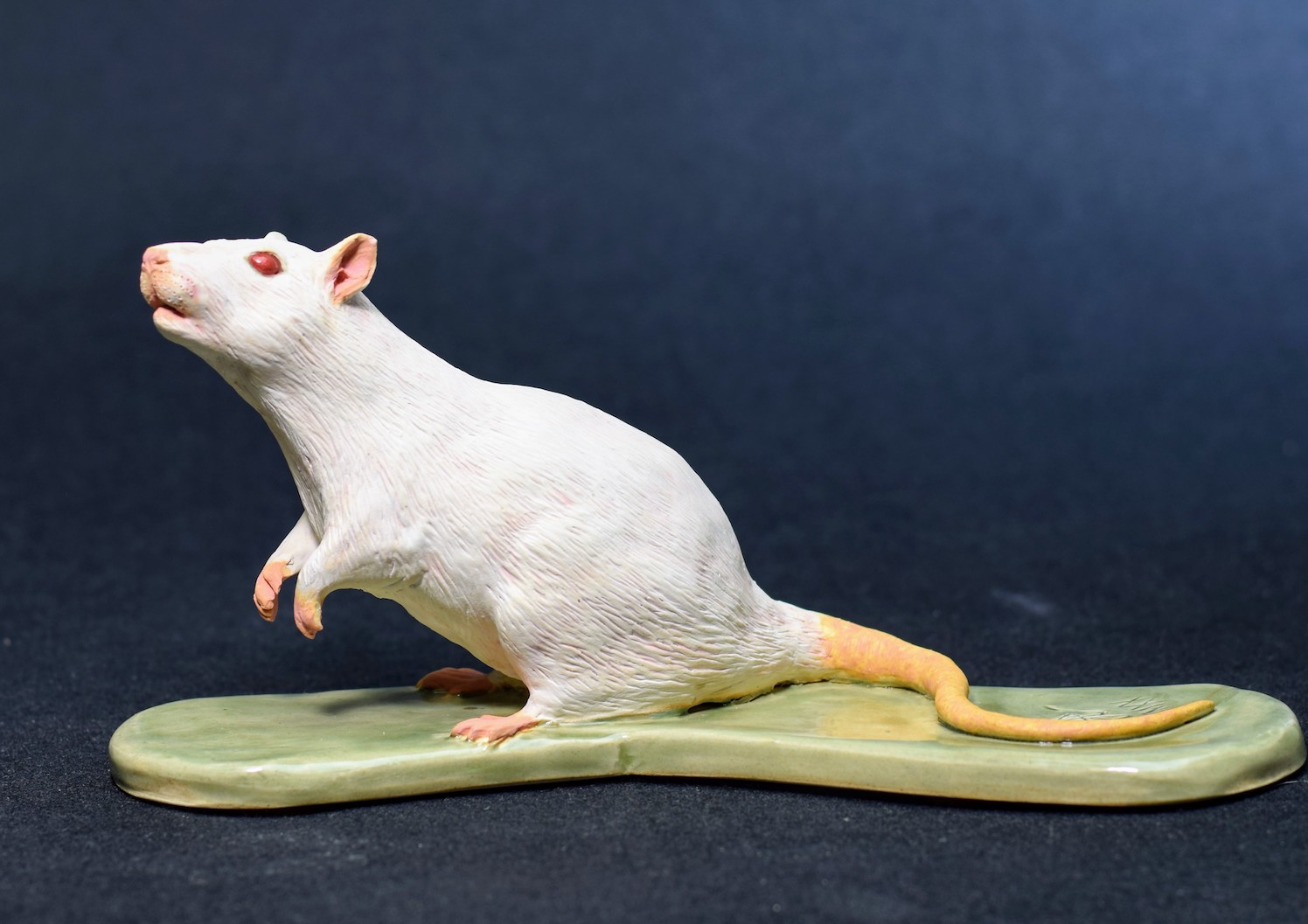


Wet clay models
Page 33 of 55
- You are here:
-
Home

- Sculptures